
News
Count for ‘Bird Flu Deaths’ in Himachal Crosses 31000, Poultry Farmers, Fishermen Face Huge Losses

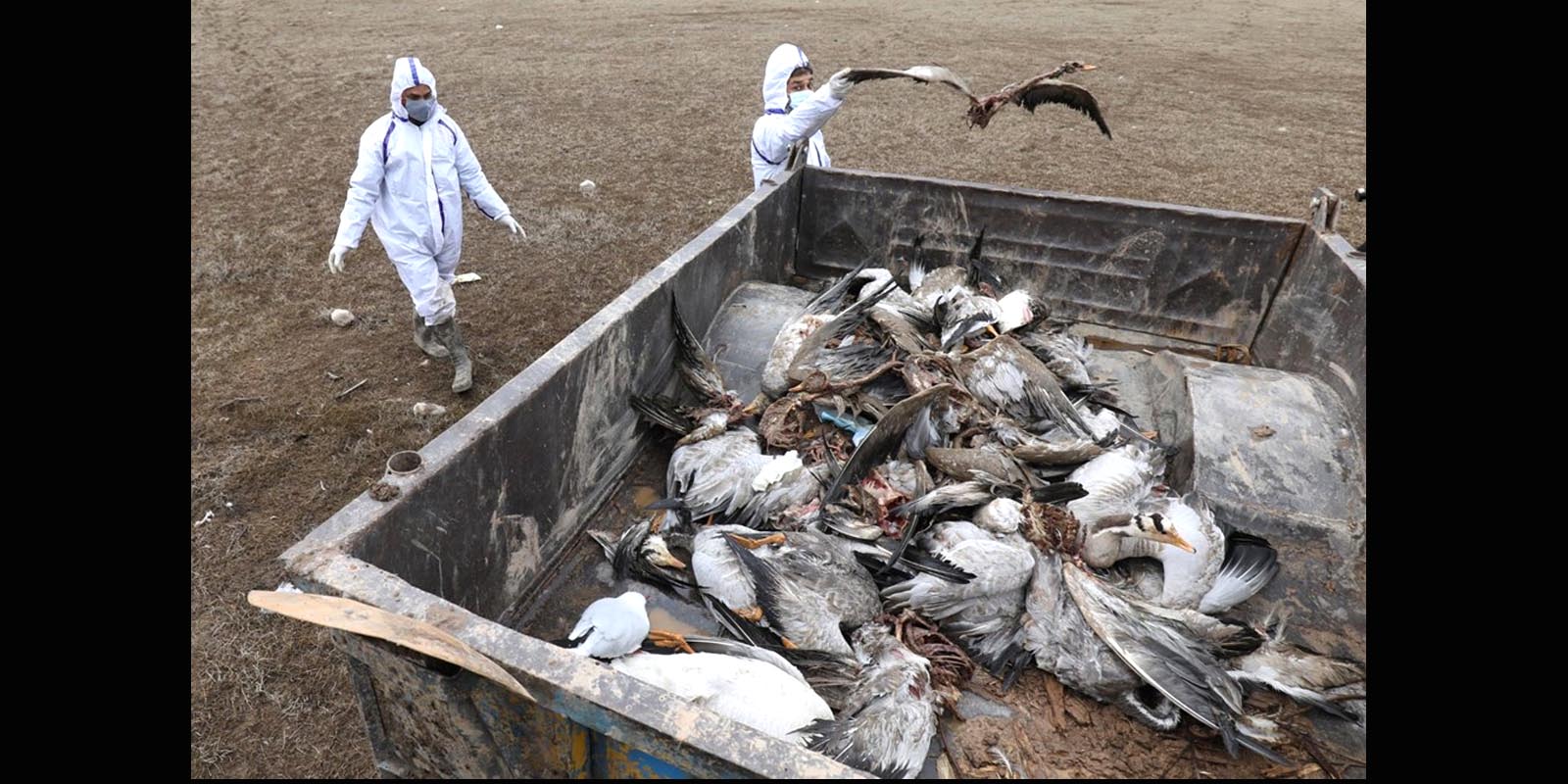
Shimla-Rising count of dead migratory birds in Himachal Pradesh due to an outbreak of “bird flu” is keeping the Horticulture and Wildlife Departments on their toes. The cause of deaths at the Pong Dam Sanctuary was H5N1 Avian Influenza virus, informed the Wildlife Wing of the State Forest Department on Wednesday. Samples of dead birds were sent to NIHASD Bhopal, it was informed.
The tally for Migratory bird deaths in Himachal Pradesh has crossed the 31,000 mark. Till January 5, this number was 2736 for the Pong Dam Wildlife Sanctuary alone. Some deaths of migratory birds have been reported from around Govind Sagar lake in Bilaspur district. About 90 percent of these deaths include Bar-Headed Gees, which migrate to Pong Dam wetlands from Siberia and Mongolia every year. These birds are known for their capability to sustain long flights at very high altitudes ranging from 5000 to 6000 meters above sea level, especially while crossing the Himalayan range. Other than that, some crows have also been found dead in some areas. But the reason of death was yet to be ascertained.
According to the Department, it was on 28 December 2020 that the field staff of Dhameta Range had first reported sudden deaths of four Bar-Headed Geese and one Common Teal in Fatehpur area.
The Wildlife Wing said that it was working actively to contain this outbreak of “bird-flu” and the field staff has been directed to maintain strict vigil and active surveillance on the situation.
“Rapid Response Teams have been constituted and deployed for collection and safe disposal of dead birds as per protocol. The infected areas are being disinfected and sanitized. The whole operation is being supervised by DFO Wildlife Hamirpur,”
informed a spokesperson of the Forest Department.
The outbreak of the flu in and around Pong Dam Sanctuary has promoted the government to ban fishing and livestock activity within an area of one kilometre from the lake’s periphery. An alert has been sounded within a radius of 10 km from the periphery of the lake. Also, commercial activity relating to poultry, birds, and fish has prohibited in Fatehpur, Dehra, Jawali and Indora subdivision of Kangra district.
The outbreak is haunting poultry farmers and those dealing in chicken and egg sales and export to markets. Poultry farmers fear that the outbreak would cause losses worth crores as the winter season is the peak season for their business. In case bird flu is reported in poultry farms, thousands of birds would have to be culled to prevent further spread, resulting in losses to these farmers. According to people involved in poultry and fishing, the demand has already fallen drastically after the news regarding the outbreak of the flu broke out.
The Animal Husbandry Department has sent 119 samples of poultry birds from areas around the Dam to the Regional Disease Diagnostic Laboratory in Jalandhar. The results of the tests were still awaited. Deputy Director, Animal Husbandry, Dr Sanjeev Dhiman informed that so far no case of bird flu has been reported among poultry birds.
So far, the Government of India has confirmed an outbreak of Avian Influenza in Rajasthan (Baran, Kota, Jhalawar), Madhya Pradesh (Mandsaur, Indor, Malwa), Kerala (Kottayam, Allapuzha), and Himachal Pradesh’s Kangra.
The measures suggested by the Union Government to the affected States to contain the disease and prevent further spread as per the Action Plan on Avian Influenza include strengthening the biosecurity of poultry farms, disinfection of affected areas, proper disposal of dead birds/carcasses, timely collection and submission of samples for confirmation and further surveillance, intensification of surveillance plan as well as the general guidelines for the prevention of disease spread from affected birds to poultry and human. Coordination with the forest department for reporting any unusual mortality of birds was also suggested to the States. The other states were also requested to keep a vigil on any unusual mortality amongst birds and to report immediately to take necessary measures.
Avian Influenza (AI) viruses have been circulating worldwide for centuries with four known major outbreaks recorded in the last century. India notified the first outbreak of avian influenza in 2006. Though the Government of India denies that the bird flu is only zoonotic, according the World Health Organization, there has been cases of infection in humans too.
According to WHO,
“As of 10 December 2020, a total of 1,568 laboratory confirmed human infections with avian influenza A(H7N9) virus have been reported to WHO since early
2013. Among them, 33 cases were infected with HPAI A(H7N9) virus, which have mutations in the hemagglutinin gene indicating a change to high pathogenicity in poultry. No increased transmissibility or virulence of the virus within human cases has been detected related to the HPAI A(H7N9) virus.”“Almost all cases of H5N1 infection in people have been associated with close contact with infected live or dead birds, or H5N1-contaminated environments. The virus does not infect humans easily, and spread from person to person appears to be unusual. There is no evidence that the disease can be spread to people through properly prepared and thoroughly cooked food,”
WHO adds.
According to Centre for Disease Control And Prevention,
“Rare human infections with some avian viruses have occurred most often after unprotected contact with infected birds or surfaces contaminated with avian influenza viruses. However, some infections have been identified where direct contact was not known to have occurred. Illness in people has ranged from mild to severe.”
The Centre also adds,
“Because of the possibility that avian influenza A viruses could change and gain the ability to spread easily between people, monitoring for human infection and person-to-person spread is extremely important for public health.”
Implementing management practices that incorporate bio security principles, personal hygiene, and cleaning and disinfection protocols, as well as cooking and processing standards, are effective means of controlling the spread of the AI viruses.
In India, the disease spreads mainly by migratory birds coming into India during winter months i.e. from September – October to February – March. The secondary spread by human handling (through fomites) cannot be ruled out.






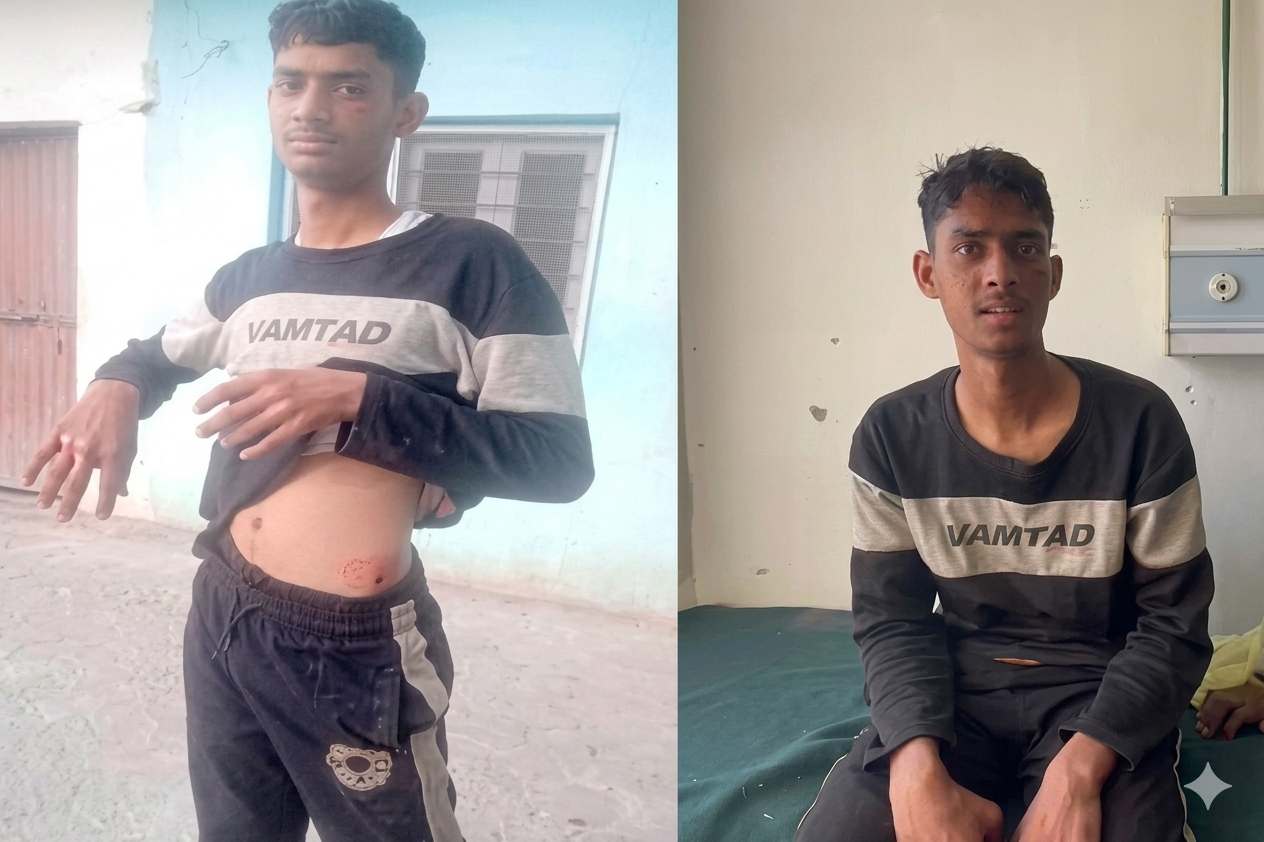
Solan—In a shocking incident on Monday, an 18-year-old youth, Pravesh, survived a vicious leopard attack in Sarli village of Arki subdivision. The teenager reportedly fought the leopard for nearly 12 minutes before breaking its jaw, killing the animal on the spot.
Quick Thinking Saved His Life
Pravesh told the media that he was walking from the fields to a nearby shop in the morning to fetch milk when the leopard, hidden in the crops, lunged at him. Noticing the leopard’s tail, he attempted to run but fell after a short distance. During the attack, he covered his neck with his hands to protect himself from fatal bites.
The teenager continued to struggle with the leopard, repeatedly attempting to put distance between himself and the predator. In a desperate move, he grabbed the leopard by its mouth, twisted its jaw, and broke it, killing the animal instantly. Pravesh sustained multiple injuries, including deep claw marks, and is currently receiving treatment at Arki Hospital. Police and forest department teams have launched an investigation into the incident.
Serious Allegations of HP Forest Department’s Negligence
One of Pravesh’s relatives accused the forest department of negligence, noting that similar attacks had occurred in the area previously.
Earlier, a leopard had attempted to attack a scooter rider, who managed to escape. The family said they had informed the forest department on March 6 about potential danger, but no concrete action was taken. Villagers waited for three hours for a forest team to arrive, but none came. When the Block Officer eventually visited, he reportedly told villagers to ensure their own safety. Requests for cages to capture the leopard were also denied, with officials asking for written complaints instead.


SHIMLA | 7 August 2025 –The India Meteorological Department (IMD) has forecast light to moderate rainfall across Himachal Pradesh over the next two weeks, with isolated heavy to very heavy showers likely over the low hills, plains, and adjoining mid-hill regions. While the ongoing monsoon remains vital for agriculture, it also brings an elevated risk of localized flooding and landslides.
Week of August 8–14
Maximum temperatures will range from 22°C to 34°C, depending on elevation—22°C to 28°C in high hills, 26°C to 30°C in mid-hills, and up to 34°C in lower regions. Minimum temperatures are expected to remain near normal, between 12°C and 24°C. Cooler conditions may persist in districts like Kullu and Lahaul-Spiti.
Week of August 15–21
Similar rainfall patterns are expected to continue, with scattered heavy rain episodes. Temperature trends will remain stable, though slightly below-normal maximum temperatures are likely in parts of Lahaul-Spiti, Mandi, Kangra, and Kullu districts.
Outlook for Late August
Rainfall is expected to remain broadly normal, with region-specific variations. Districts such as Kinnaur, Shimla, and Sirmaur may see below-normal precipitation, while Una, Kangra, Hamirpur, Bilaspur, and Solan are likely to receive above-average rainfall. Both maximum and minimum temperatures are forecast to stay close to seasonal norms.
Officials at the Meteorological Centre in Shimla have urged residents and local authorities to remain alert for sudden heavy downpours, which could disrupt road connectivity and trigger landslides—especially along vulnerable hillside routes. Past monsoon episodes have blocked key highways, including routes between Mandi and Kullu and near Banjar, underscoring the ongoing challenges in the region.
This advisory comes as Himachal Pradesh continues to face the dual pressures of sustaining its agriculture-dependent economy while managing the life and infrastructure risks posed by an active monsoon. Continued vigilance and preparedness remain crucial.

SHIMLA | 7 August 2025 –Himachal Pradesh continues to deal with the impacts of the 2025 monsoon season, reporting extensive property damage, loss of lives, and widespread disruptions across the state. According to the official reports from the State Emergency Operations Centre (SEOC), the Department of Revenue, and the India Meteorological Department, from June 20 to August 6, 2025, heavy monsoon rains caused significant damage across multiple districts:
- Casualties: 199 deaths due to landslides, flash floods, cloudbursts, drowning, lightning, electrocution, and accidents; 304 injuries reported.
- Property Loss: Extensive damage to houses (both pucca and kaccha), shops, factories, labor sheds, animal shelters, and substantial crop losses in agriculture and horticulture.
- Public Infrastructure: Over ₹1,900 crore in damages to roads (including PWD), power supply, health, education, fisheries, rural and urban development, and animal husbandry.
Most affected districts include Mandi, Kangra, and Hamirpur, with severe crop and infrastructure losses.

Additionally, 91 deaths occurred due to monsoon-related road accidents.
Public Utilities and Infrastructure Disruptions
The SEOC report dated August 7, 2025, highlights ongoing disruptions:
- Roads Blocked: About 493 major roads and 3 national highways (NH-305, NH-21, NH-05) remain blocked by landslides and floods.
- Power Supply: Disruption of 1,120 distribution transformers (DTRs).
- Water Supply: 245 water schemes affected, threatening access to potable water for communities.
Key blockages include NH-21 between Mandi and Kullu and NH-305 near Banjar and Jhed.
Weather Forecast and Warnings
The India Meteorological Department’s forecast valid from August 7, 2025, includes:
- Isolated heavy rainfall expected throughout the week.
- Thunderstorms and lightning predicted in isolated areas.
- Minimum temperatures near normal or slightly below.
- Maximum temperatures showing a moderate increase.
The public is urged to remain vigilant due to the risks of further landslides and flash floods.
Himachal Pradesh remains vulnerable as the monsoon season continues, with thousands affected by damage, displacement, and disruption of essential services. Authorities are continuing with rescue and recovery operations and are urging residents to stay alert to the ongoing adverse weather. This situation highlights the pressing need for enhanced infrastructure and disaster management strategies to mitigate monsoon-related risks.


Himachal’s LPG Supply Hit Amid Global Tensions, Likely to Affect Hospitality Industry

Himachal Teen Survives 12-Minute Leopard Attack, Kills Predator in Self-Defense

Weather Forecast for Himachal Pradesh For the Next Two Weeks

Monsoon 2025: Himachal Pradesh Suffers 199 Casualties, Over ₹1,905.50 Cr in Damages

 Home Decor Ideas 2020