Indira Gandhi Medical College in Shimla, Himachal

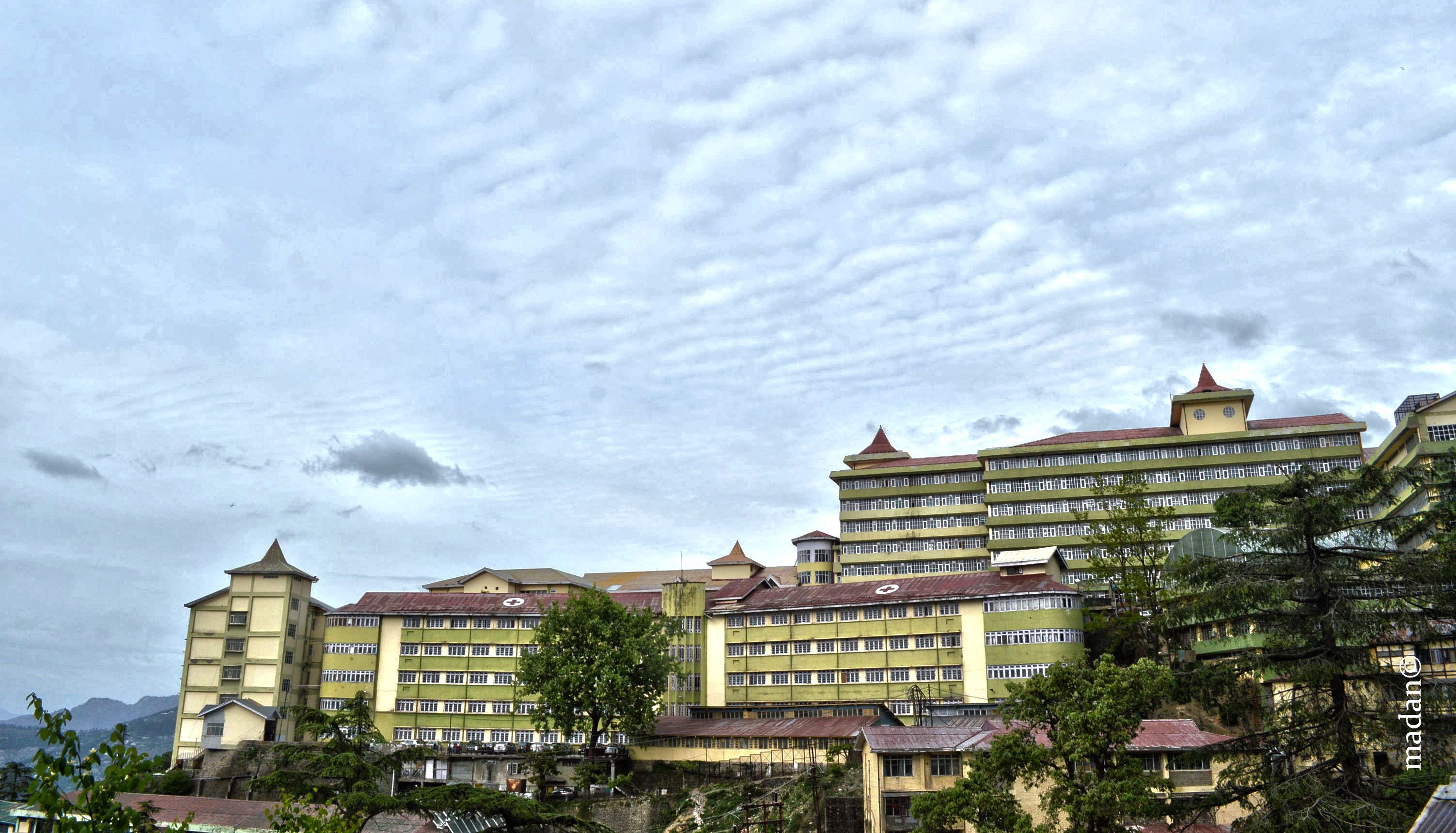
Indira Gandhi Medical College (IGMC) is a state-owned medical college and hospital in Shimla. It was established in 1966 as the Himachal Pradesh Medical College (HPMC), and assumed the present name in 1984.



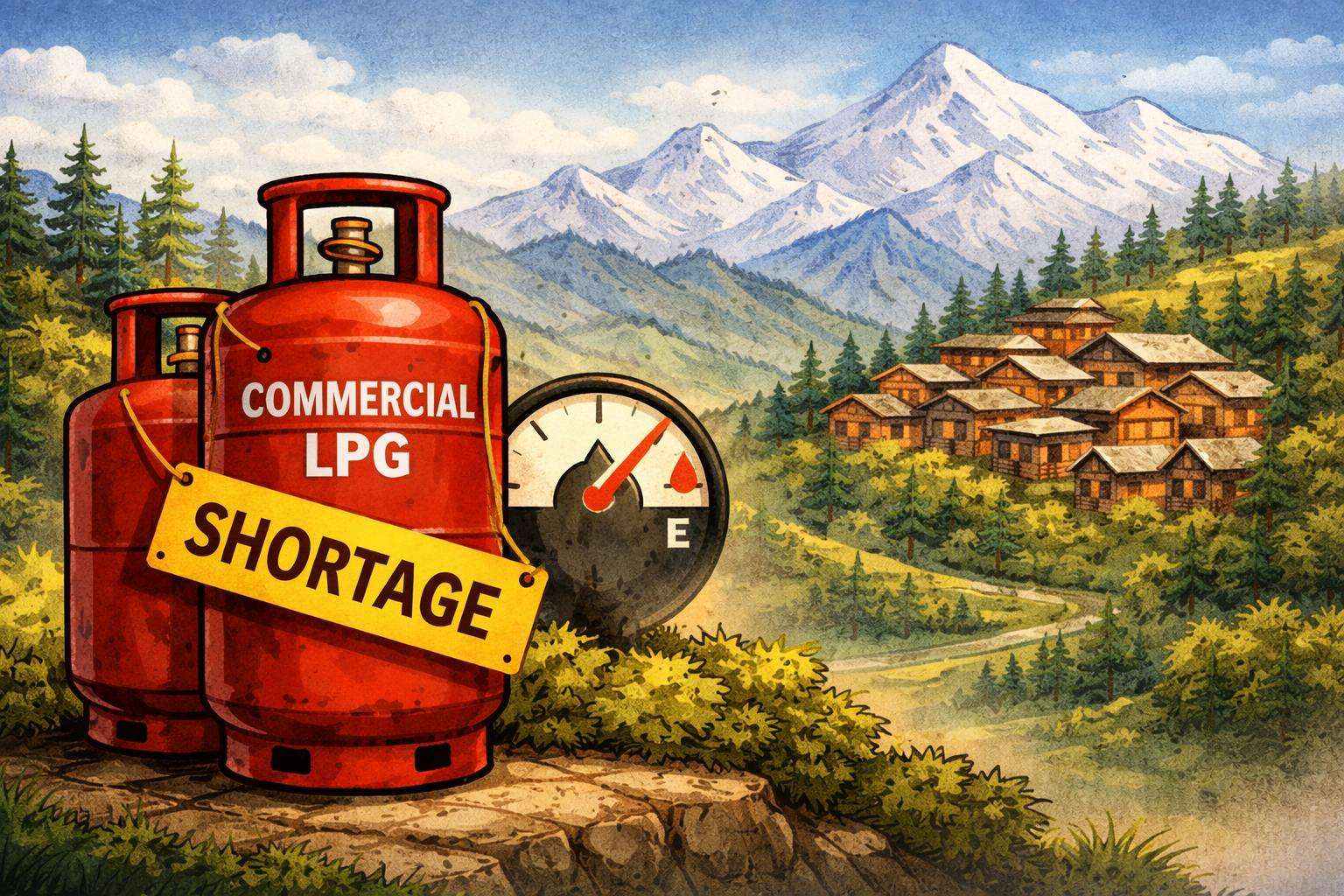
Shimla—A quiet but worrying crisis is unfolding in Himachal Pradesh. Across several districts, traders, hoteliers, and restaurant owners are reporting a sharp shortage of commercial LPG cylinders, leaving many establishments with barely a few days’ supply. In a state where tourism drives the local economy, disruptions in cooking fuel supply can quickly escalate into a wider economic concern.
Local reports indicate the shortage is already affecting hospitality businesses. Traders in Shimla have warned that commercial gas stocks may last only a couple of days if fresh deliveries do not arrive soon, according to a report by Amar Ujala. Restaurant owners have echoed similar concerns in Solan and nearby tourist towns, where businesses fear that kitchens may soon struggle to operate without regular supplies, as reported by Dainik Jagran.
At first glance, the shortage appears to be a regional supply bottleneck. In reality, the problem is tied to wider disruptions in global energy markets triggered by the ongoing tensions in West Asia.
Tourism economy vulnerable to fuel disruption
Himachal Pradesh’s tourism sector relies heavily on thousands of small and medium establishments—restaurants, cafés, dhabas, and hotels. Unlike large metropolitan areas where piped natural gas networks are expanding, most commercial kitchens in the hill state still depend almost entirely on LPG cylinders.
This dependence makes the sector particularly vulnerable. Even short supply disruptions can force restaurants to reduce operations, limit menus, or temporarily shut down.
Industry bodies across India have already sounded the alarm. Restaurant operators have warned that continued supply disruptions could lead to closures across the sector. For a tourism-driven state like Himachal Pradesh, such disruptions can ripple through the wider economy.
The global trigger: instability in West Asia
The roots of the crisis lie thousands of kilometers away. The conflict involving the United States and Iran has begun affecting energy markets and shipping routes in the Gulf region.
A key concern is the Strait of Hormuz, one of the world’s most important energy corridors through which a large share of global oil and LPG shipments pass. India’s dependence on this route is substantial. Energy analysts estimate that a majority of India’s LPG imports originate from Gulf countries and move through this narrow maritime passage, as noted in a report by The New Indian Express.
Any instability in the region immediately affects supply chains. Shipping risks rise, insurance premiums increase, and cargo movement slows. These pressures eventually filter down to domestic markets.
Recent reports have also linked rising LPG prices and supply concerns to the Middle East crisis, with consumers expressing worry about the impact of the conflict on cooking gas costs, according to ANI News.
Domestic prioritisation, commercial shortage
When supplies tighten, governments typically prioritise household consumption. Domestic LPG cylinders are considered essential for daily cooking, and maintaining their availability becomes a policy priority.
However, this often leaves commercial users facing reduced allocations. Restaurants and hotels depend almost entirely on commercial cylinders, which are distributed through a separate supply channel.
In response to the emerging supply concerns, the government has reportedly taken steps to ensure adequate domestic availability of LPG, including directing refiners to increase production and manage distribution more closely, as reported by The Economic Times.
While such measures protect households, they can intensify shortages for commercial establishments.
Geography amplifies the problem
Himachal Pradesh faces additional logistical challenges. LPG cylinders used in the state are largely transported from bottling plants located outside its borders. Moving these supplies across mountainous terrain involves long supply chains and limited transport routes.
When upstream deliveries slow down—whether at ports, refineries, or bottling plants—the impact reaches hill towns more quickly and more sharply.
At the same time, alternatives remain limited. Large-scale piped gas networks are rare in the state, and many commercial kitchens lack the electrical capacity required for high-energy cooking equipment.
A warning for energy resilience
The emerging LPG shortage in Himachal Pradesh is more than a temporary supply issue. It highlights a deeper vulnerability in India’s energy system—heavy dependence on imported fuel and fragile supply chains exposed to geopolitical shocks.
For a café owner in Shimla or a hotel operator in Manali, the geopolitics of West Asia may seem distant. Yet the current situation demonstrates how closely global energy flows are tied to local economies.
A disruption in the Persian Gulf can slow tanker shipments, delay fuel supplies at Indian ports, disrupt distribution networks—and ultimately affect the availability of cooking gas in a Himalayan kitchen.
As the situation evolves, the hope in Himachal Pradesh is that supply lines stabilise quickly. But the episode offers a clear lesson: in an interconnected world, even the quiet kitchens of the mountains are not insulated from global conflict.

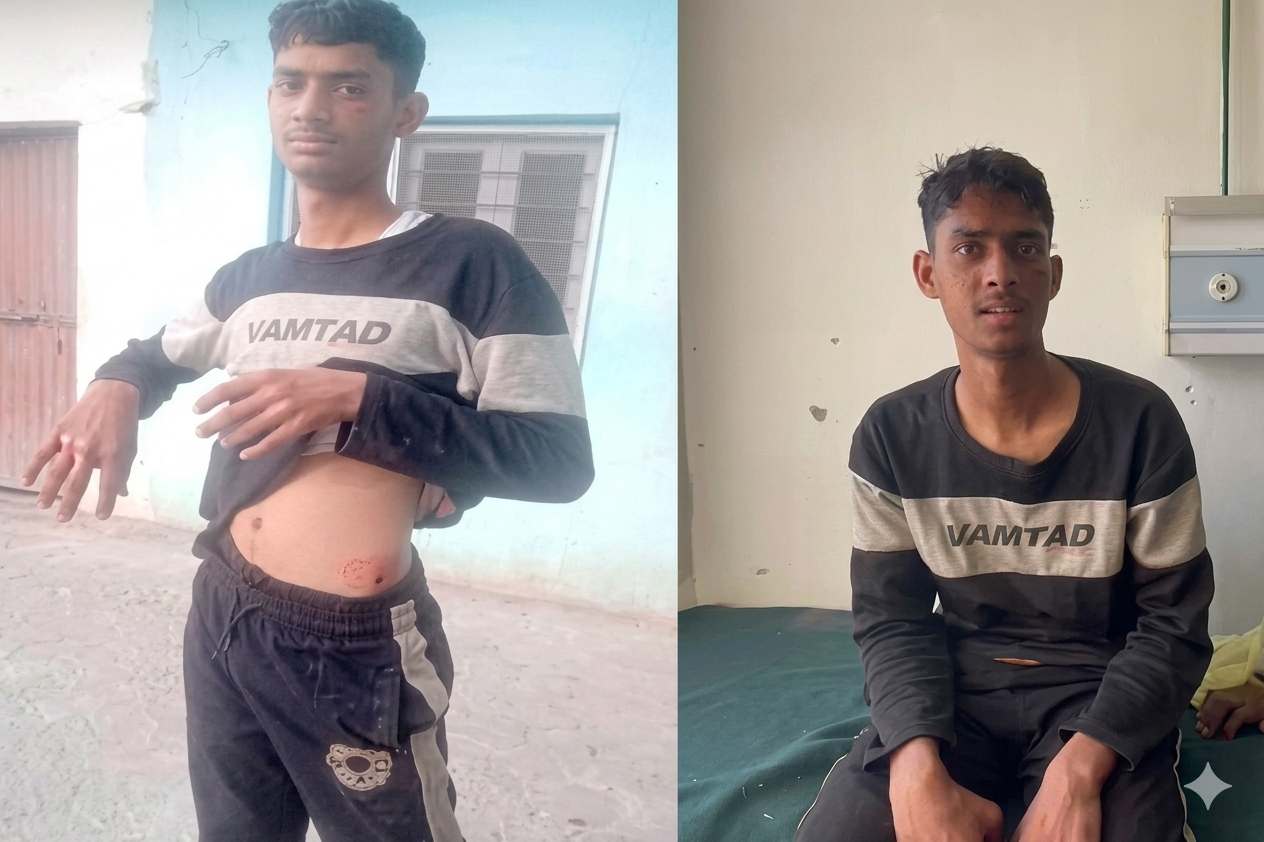
Solan—In a shocking incident on Monday, an 18-year-old youth, Pravesh, survived a vicious leopard attack in Sarli village of Arki subdivision. The teenager reportedly fought the leopard for nearly 12 minutes before breaking its jaw, killing the animal on the spot.
Quick Thinking Saved His Life
Pravesh told the media that he was walking from the fields to a nearby shop in the morning to fetch milk when the leopard, hidden in the crops, lunged at him. Noticing the leopard’s tail, he attempted to run but fell after a short distance. During the attack, he covered his neck with his hands to protect himself from fatal bites.
The teenager continued to struggle with the leopard, repeatedly attempting to put distance between himself and the predator. In a desperate move, he grabbed the leopard by its mouth, twisted its jaw, and broke it, killing the animal instantly. Pravesh sustained multiple injuries, including deep claw marks, and is currently receiving treatment at Arki Hospital. Police and forest department teams have launched an investigation into the incident.
Serious Allegations of HP Forest Department’s Negligence
One of Pravesh’s relatives accused the forest department of negligence, noting that similar attacks had occurred in the area previously.
Earlier, a leopard had attempted to attack a scooter rider, who managed to escape. The family said they had informed the forest department on March 6 about potential danger, but no concrete action was taken. Villagers waited for three hours for a forest team to arrive, but none came. When the Block Officer eventually visited, he reportedly told villagers to ensure their own safety. Requests for cages to capture the leopard were also denied, with officials asking for written complaints instead.

SHIMLA | 7 August 2025 –The India Meteorological Department (IMD) has forecast light to moderate rainfall across Himachal Pradesh over the next two weeks, with isolated heavy to very heavy showers likely over the low hills, plains, and adjoining mid-hill regions. While the ongoing monsoon remains vital for agriculture, it also brings an elevated risk of localized flooding and landslides.
Week of August 8–14
Maximum temperatures will range from 22°C to 34°C, depending on elevation—22°C to 28°C in high hills, 26°C to 30°C in mid-hills, and up to 34°C in lower regions. Minimum temperatures are expected to remain near normal, between 12°C and 24°C. Cooler conditions may persist in districts like Kullu and Lahaul-Spiti.
Week of August 15–21
Similar rainfall patterns are expected to continue, with scattered heavy rain episodes. Temperature trends will remain stable, though slightly below-normal maximum temperatures are likely in parts of Lahaul-Spiti, Mandi, Kangra, and Kullu districts.
Outlook for Late August
Rainfall is expected to remain broadly normal, with region-specific variations. Districts such as Kinnaur, Shimla, and Sirmaur may see below-normal precipitation, while Una, Kangra, Hamirpur, Bilaspur, and Solan are likely to receive above-average rainfall. Both maximum and minimum temperatures are forecast to stay close to seasonal norms.
Officials at the Meteorological Centre in Shimla have urged residents and local authorities to remain alert for sudden heavy downpours, which could disrupt road connectivity and trigger landslides—especially along vulnerable hillside routes. Past monsoon episodes have blocked key highways, including routes between Mandi and Kullu and near Banjar, underscoring the ongoing challenges in the region.
This advisory comes as Himachal Pradesh continues to face the dual pressures of sustaining its agriculture-dependent economy while managing the life and infrastructure risks posed by an active monsoon. Continued vigilance and preparedness remain crucial.


Himachal’s LPG Supply Hit Amid Global Tensions, Likely to Affect Hospitality Industry

Himachal Teen Survives 12-Minute Leopard Attack, Kills Predator in Self-Defense

Weather Forecast for Himachal Pradesh For the Next Two Weeks

Monsoon 2025: Himachal Pradesh Suffers 199 Casualties, Over ₹1,905.50 Cr in Damages

 Home Decor Ideas 2020