
News
Himachal: Read All SOPs for Hotels, Restaurants, Home-Stays and Others Involved in Tourism Industry

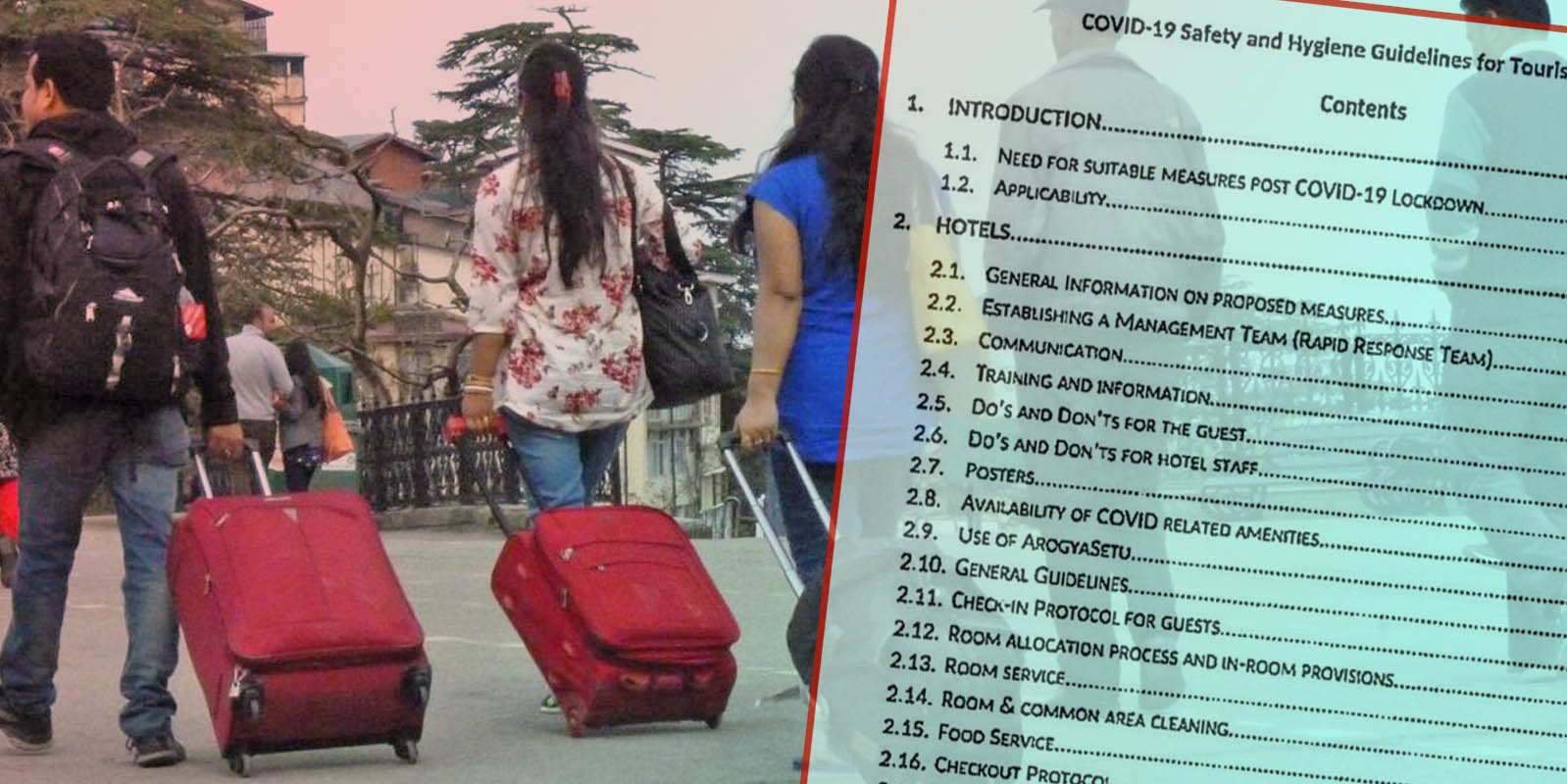
Shimla-Queues of vehicles waiting to enter Himachal Pradesh from other States were seen at the Parwanoo barrier on Sunday – a day after the Government opened the State for tourist activity and allowed entry without any pass or permission. The visitors will have to only register themselves on an online portal and furnish a COVID-19 test report not older than 72 hours to confirm they are not infected. The public and the hoteliers have termed this decision as catastrophic considering the fact that the State is witnessing rapid rise in number of COVID-19 cases with returnees.
After allowing tourism activity in Himachal Pradesh, the State Government has issued a rigorous 29-page long list of Standard Operating Procedures (SOPs) for opening and operation for hotels, restaurants, B&B, home-stays, taxi drivers, wayside amenities like food outlets/stalls, those offering recreational adventure activities like para-gliding, rafting etc., amusement parks, banqueting, and sightseeing services.
Considering the SOPs, it appears tourism is not going to be so much fun for both the guests and the staff.
There are guidelines for almost everything from check-in to check-out like linen count, its allocation, cleaning, disposing of garbage. The SOPs have also mentioned the disinfectant, frequency of cleaning and methods of cleaning for different items/areas.

Then there are guidelines for cleaning and sanitization of bathrooms, doorknobs, elevator, public counter, printers, scanners, tabletops, chair handles, pens, diary files keyboards, mouse pad, tech coffee dispensing machine etc. In case a guest coughs or sneezes, then the two-meter area around the guest would have to be cleaned/sanitized.
All hotels, restaurants, B&B/Homestays must-have thermal guns with which all staff and guests would be scanned daily. Further, the list of must-have items includes hand sanitizers, masks, garbage bags, chemicals for deep cleaning. Hand gloves and gown/apron are only recommended.
Handling COVID-19 Suspects
The most important part is handling COVID-19 suspects. Hotels can’t deny entry even if someone shows symptoms of the disease. As per the SOPs, the management would have to provide N-95 masks to such suspected patients, offer medical help, send them to their rooms, and monitor their health. If the illness persists, the management would have to lock the room, clean and disinfect the entire floor and reception area. Then, the staff would have to inform the case on the COVID-19 helpline.
The hotels would have to take a lot of details regarding the guest in a given format.
The SOPs also contains several do’s and don’t for guest and staff. Guest in one room can not interact with guests in other rooms.
The hoteliers are also directed to offer online service for check-in which would include scanning QR code by guests for filling details in an online form that also allows uploading required documents. The form should appear on the screen of receptionist/front office manager. The online form should provide an “I Agree” checkbox before submission. The guests should get an OTP on their registered mobiles to confirm check-in.
Hotels would have to use spacing measures like stickers, tapes, markers to maintain distance at all places.
There are several other guidelines which you can read in the copy of the full notification uploaded at the end of this report.
The hotels have been asked to encourage staff to use their vehicles and avoid public transport. Further, sanitization and exchange of uniform would be a daily norm
Training departments of hotels would have to conduct sensitization classes for staff on updated hygiene standard. All employees should be aware of all COVID-19 related symptoms.
Establishing a Management Team (Rapid Response Team)
As per the SOPs, hotels would have to appoint a management team headed by “Rapid Response Leader” ideally an officer from higher management or specially appointed officer and “Rapid Response Officers” from each and every operational department. The appointed team would have to follow these guidelines in consultation with other directions, which may be issued from various authorities in connection with COVID-19.
The team would be responsible to prevent incidents, effectively manage cases, and mitigate impact among guests, staff and other involved parties.
Restaurants
Restaurants have been asked to encourage prior booking. Every guest would be scanned and if the scanner records a temperature of 98.6 fahrenheit, then the entry would be denied and guests would be asked to return.
In case the guests don’t have masks, then the restaurant management would have to provide them with masks. Contrary to this, the guests not wearing masks should be denied entry. They will have to reduce their sitting capacity at least by 2/3 to change the seating plan to maintain social distancing.
The guests would be served only bottled water after disinfecting outside surface of bottles. Restaurants would have to use disposable menu which offers more cooked food and discourage raw food like salad. The table and chairs would be cleaned and disinfected daily. Restaurants have been asked to avoid buffet food.
All glassware should be washed with hot water and lemon. The units would have to sanitize non-veg food with 100 ppm chlorine and non-veg items with 50 ppm chlorine.
All machine touchpoints, operating panels, seats, covers, toolbox etc requiring human touch should be sanitized at an hourly frequency with effective sanitizers. Further, every restaurant must have good quality disposable hand gloves, three layers masks with synthetic outer layer/N95 masks, long gowns, eye goggles or face shield
PPEs should be discarded in a plastic bag, sealed and labelled as infectious waste.
Food delivery personnel have been directed leave the packet at a 1-meter distance at customer’s door and avoid handing over the food packet directly to the customers. Restaurants are asked to encourage takeaways and discourage dine in.
They will have to use a cleaning solution such as soap and water (preferably hot water, followed by disinfection using freshly prepared 1% hypochlorite solution or equivalent. After cleaning dishes, sanitation using alcohol/quaternary ammonium is recommended.
The units would have to scrub floors with hot water and detergent using minimal water twice a day.
Restaurants have also been asked to train drivers, loaders and staff about symptoms of COVID-19 and preventive measures. Transporters are advised to avoid the use of public toilet during break and maintain a high standard of hygiene.
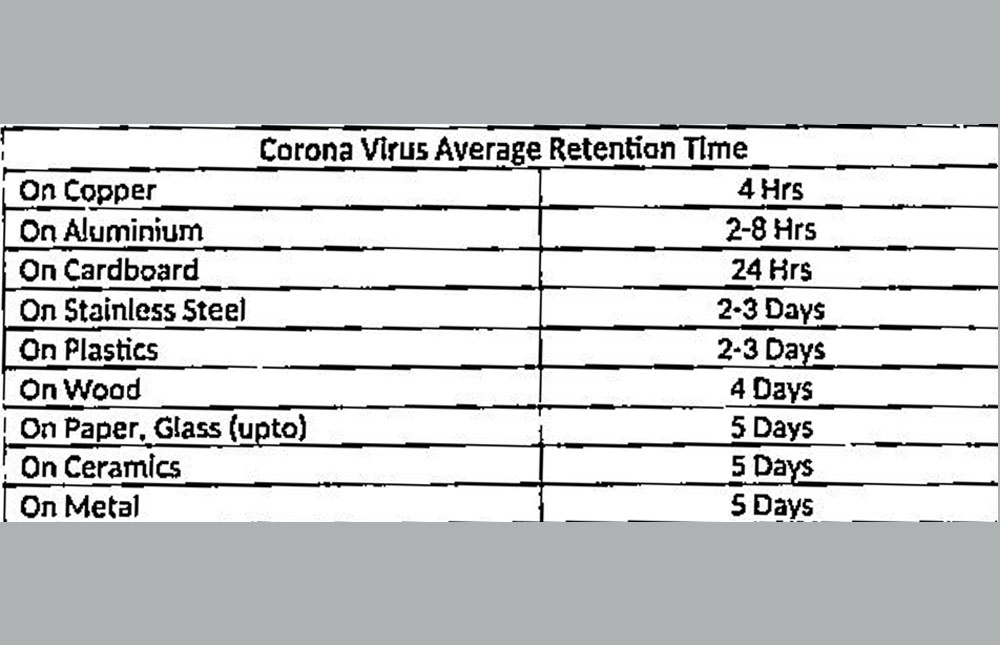
The SOPs have also mentioned sanitization of food packaging along with the retention time of the coronavirus on different surfaces. (Given Below).
For B&B/Home Stay
For B&B/Home Stays must-have thermal guns and other PPEs. The owner would have to gather all details regarding guests like travel history, medical condition, get a separate self-declaration form, and maintain files in addition to regular registers. As per the SOPs, it would be mandatory to mop the floor twice a day. The units have been asked to use disposable cutlery. The guest would not be allowed to washing clothes inside rooms.
Then there are guidelines for wayside amenities like food outlets. The cab drivers have also been asked to wear masks and sanitize the vehicle after every trip.
There are directions regarding reducing the density of visitors at a sightseeing place and tourist spots. Service providers have been asked to offer online tickets online for museums, parks, zoos etc.
Photographs can’t offer dresses to visitors for photoshoots.
For recreational adventure activities like water sports, service providers would have to sanitize rafts, boats, jet ski, paddle boats, life jackets, helmets, paddles. There is also a guideline to maintain social distancing in paragliding.
In banqueting, only fifty guests would be allowed in a family social function.
Click Here to Read Copy of Complete Notification




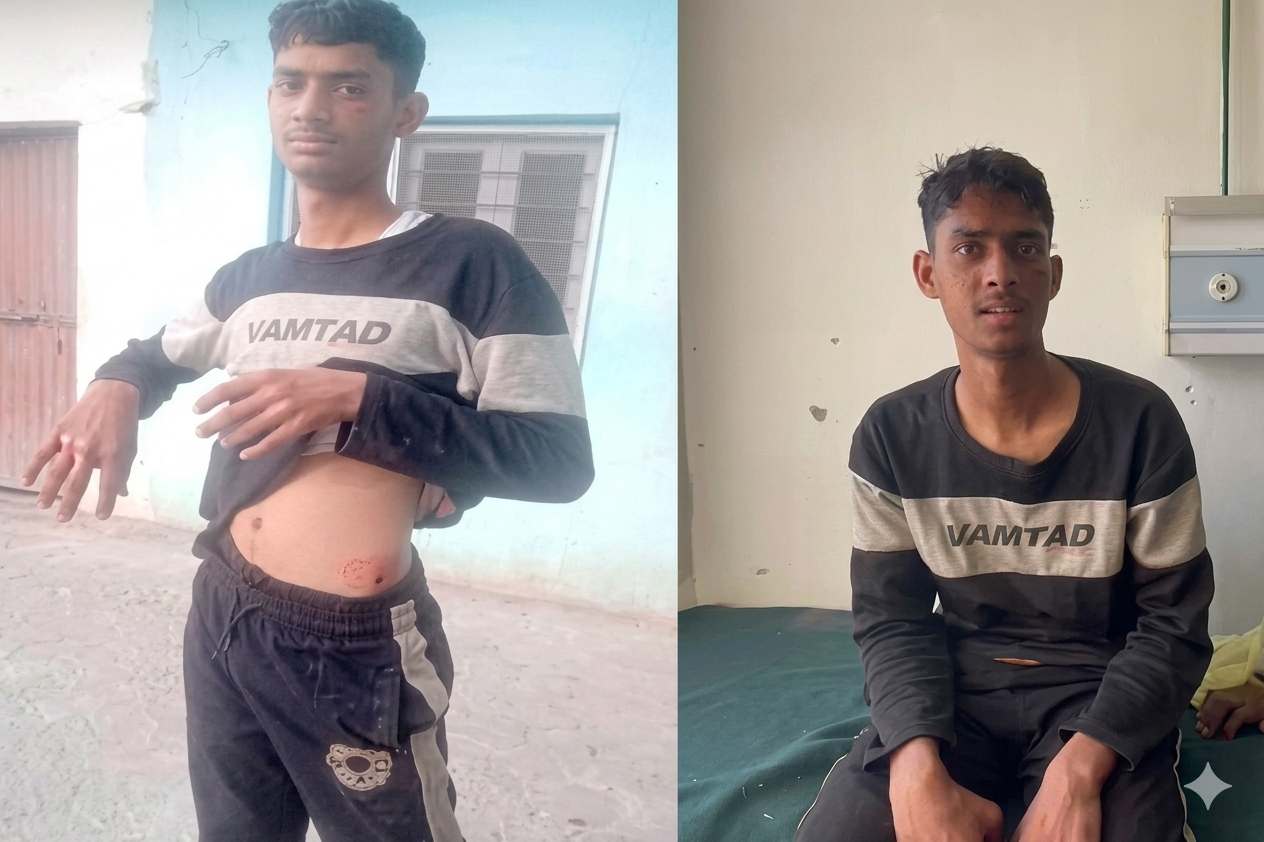
Solan—In a shocking incident on Monday, an 18-year-old youth, Pravesh, survived a vicious leopard attack in Sarli village of Arki subdivision. The teenager reportedly fought the leopard for nearly 12 minutes before breaking its jaw, killing the animal on the spot.
Quick Thinking Saved His Life
Pravesh told the media that he was walking from the fields to a nearby shop in the morning to fetch milk when the leopard, hidden in the crops, lunged at him. Noticing the leopard’s tail, he attempted to run but fell after a short distance. During the attack, he covered his neck with his hands to protect himself from fatal bites.
The teenager continued to struggle with the leopard, repeatedly attempting to put distance between himself and the predator. In a desperate move, he grabbed the leopard by its mouth, twisted its jaw, and broke it, killing the animal instantly. Pravesh sustained multiple injuries, including deep claw marks, and is currently receiving treatment at Arki Hospital. Police and forest department teams have launched an investigation into the incident.
Serious Allegations of HP Forest Department’s Negligence
One of Pravesh’s relatives accused the forest department of negligence, noting that similar attacks had occurred in the area previously.
Earlier, a leopard had attempted to attack a scooter rider, who managed to escape. The family said they had informed the forest department on March 6 about potential danger, but no concrete action was taken. Villagers waited for three hours for a forest team to arrive, but none came. When the Block Officer eventually visited, he reportedly told villagers to ensure their own safety. Requests for cages to capture the leopard were also denied, with officials asking for written complaints instead.


SHIMLA | 7 August 2025 –The India Meteorological Department (IMD) has forecast light to moderate rainfall across Himachal Pradesh over the next two weeks, with isolated heavy to very heavy showers likely over the low hills, plains, and adjoining mid-hill regions. While the ongoing monsoon remains vital for agriculture, it also brings an elevated risk of localized flooding and landslides.
Week of August 8–14
Maximum temperatures will range from 22°C to 34°C, depending on elevation—22°C to 28°C in high hills, 26°C to 30°C in mid-hills, and up to 34°C in lower regions. Minimum temperatures are expected to remain near normal, between 12°C and 24°C. Cooler conditions may persist in districts like Kullu and Lahaul-Spiti.
Week of August 15–21
Similar rainfall patterns are expected to continue, with scattered heavy rain episodes. Temperature trends will remain stable, though slightly below-normal maximum temperatures are likely in parts of Lahaul-Spiti, Mandi, Kangra, and Kullu districts.
Outlook for Late August
Rainfall is expected to remain broadly normal, with region-specific variations. Districts such as Kinnaur, Shimla, and Sirmaur may see below-normal precipitation, while Una, Kangra, Hamirpur, Bilaspur, and Solan are likely to receive above-average rainfall. Both maximum and minimum temperatures are forecast to stay close to seasonal norms.
Officials at the Meteorological Centre in Shimla have urged residents and local authorities to remain alert for sudden heavy downpours, which could disrupt road connectivity and trigger landslides—especially along vulnerable hillside routes. Past monsoon episodes have blocked key highways, including routes between Mandi and Kullu and near Banjar, underscoring the ongoing challenges in the region.
This advisory comes as Himachal Pradesh continues to face the dual pressures of sustaining its agriculture-dependent economy while managing the life and infrastructure risks posed by an active monsoon. Continued vigilance and preparedness remain crucial.

SHIMLA | 7 August 2025 –Himachal Pradesh continues to deal with the impacts of the 2025 monsoon season, reporting extensive property damage, loss of lives, and widespread disruptions across the state. According to the official reports from the State Emergency Operations Centre (SEOC), the Department of Revenue, and the India Meteorological Department, from June 20 to August 6, 2025, heavy monsoon rains caused significant damage across multiple districts:
- Casualties: 199 deaths due to landslides, flash floods, cloudbursts, drowning, lightning, electrocution, and accidents; 304 injuries reported.
- Property Loss: Extensive damage to houses (both pucca and kaccha), shops, factories, labor sheds, animal shelters, and substantial crop losses in agriculture and horticulture.
- Public Infrastructure: Over ₹1,900 crore in damages to roads (including PWD), power supply, health, education, fisheries, rural and urban development, and animal husbandry.
Most affected districts include Mandi, Kangra, and Hamirpur, with severe crop and infrastructure losses.

Additionally, 91 deaths occurred due to monsoon-related road accidents.
Public Utilities and Infrastructure Disruptions
The SEOC report dated August 7, 2025, highlights ongoing disruptions:
- Roads Blocked: About 493 major roads and 3 national highways (NH-305, NH-21, NH-05) remain blocked by landslides and floods.
- Power Supply: Disruption of 1,120 distribution transformers (DTRs).
- Water Supply: 245 water schemes affected, threatening access to potable water for communities.
Key blockages include NH-21 between Mandi and Kullu and NH-305 near Banjar and Jhed.
Weather Forecast and Warnings
The India Meteorological Department’s forecast valid from August 7, 2025, includes:
- Isolated heavy rainfall expected throughout the week.
- Thunderstorms and lightning predicted in isolated areas.
- Minimum temperatures near normal or slightly below.
- Maximum temperatures showing a moderate increase.
The public is urged to remain vigilant due to the risks of further landslides and flash floods.
Himachal Pradesh remains vulnerable as the monsoon season continues, with thousands affected by damage, displacement, and disruption of essential services. Authorities are continuing with rescue and recovery operations and are urging residents to stay alert to the ongoing adverse weather. This situation highlights the pressing need for enhanced infrastructure and disaster management strategies to mitigate monsoon-related risks.


Himachal’s LPG Supply Hit Amid Global Tensions, Likely to Affect Hospitality Industry

Himachal Teen Survives 12-Minute Leopard Attack, Kills Predator in Self-Defense

Weather Forecast for Himachal Pradesh For the Next Two Weeks

Monsoon 2025: Himachal Pradesh Suffers 199 Casualties, Over ₹1,905.50 Cr in Damages

 Home Decor Ideas 2020