
Environment
Govt Legitimizing and Legalizing Environmental Violations for Business by Amending EIA Rules: Activists

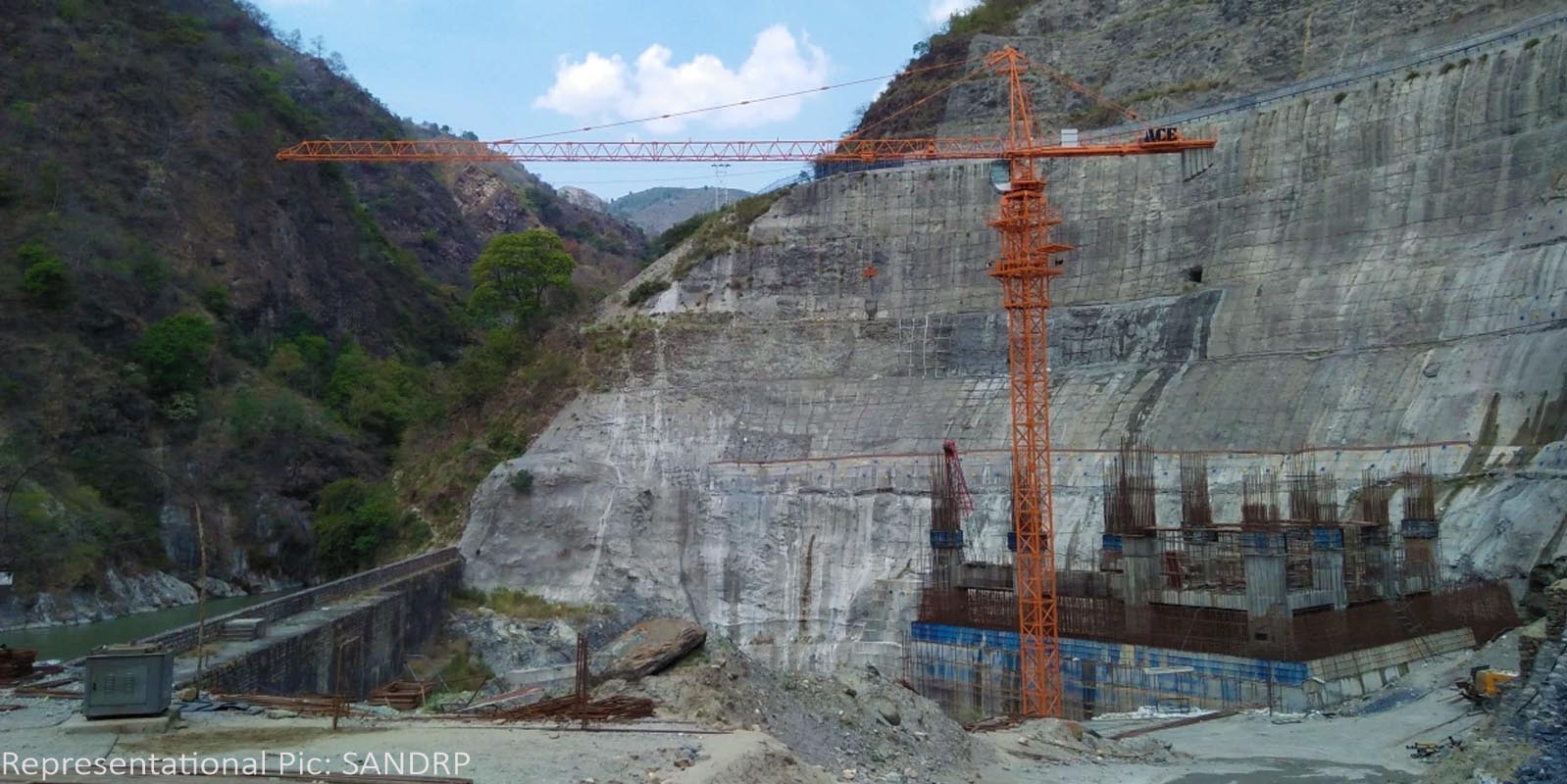
Shimla-While in statements, the politicians in power at the Centre and State Governments have been expressing concerns over environmental issues and ensuring the people that they are committed to protect and preserve the environment, the reality is contrary to it. The most recent evidence is the proposed 2020 draft amendments to the Environment Impact Assessment (EIA) Notification. With these amendments, the process of environmental assessment before granting permission to execute commercial projects, like hydropower projects in Himachal Pradesh, would be reduced to merely a formality.
Environmental activists and people’s organisations from across Himachal have written to the Union Ministry of Environment, Forests and Climate Change (MoEF&CC) to scrap the 2020 draft amendments to the Environment Impact Assessment (EIA) Notification proposed by it.
These activists and environmental protection groups are of the opinion that the EIA Notification, first issued in 1994 under the Environment Protection Act 1986, is a critical mechanism that regulates clearances granted to all kinds of development projects and economic activities in the country. It is one of the environmental decision-making processes that makes it mandatory for project developers to not just study the socio-economic, ecological and other impacts of a proposed project but also place them in front of the affected communities for their opinions and objections, thus, ensuring the process of a free, fair and informed consent. However, this notification has been amended and read down several times in the last two decades, in favour of ‘easing the norms’ for business. The latest draft continues to move in the direction of rendering the EIA process a mere formality.
The submission made by HP groups states,
“In the context of the already vulnerable and sensitive Himalayan region, flouting of various provisions of even the present EIA notification has heavily impacted the local ecology and livelihoods of the people. The new amendments will only legitimize and legalize these violations and this will mean irreparable damage to the Himalayan ecosystem”.
The key objections raised are around exemptions of a variety of projects from the mandatory ‘Public Consultation’ process as well as the dismantling of this process itself.
“The reduction of the time prior to public hearing from 30 to 20 days is also highly objectionable. In the given 30 day period itself, the information about Public hearings does not reach all the affected areas which are often spread out widely in case of mountains with some project-affected communities residing in remote and inaccessible terrains. Here accessing information takes a long time and reducing this time to 20 days will completely exclude such people from raising their grievances and suggestions in the public consultation. This is a clear attempt to block their participation in the environmental decision-making process”
said R.S Negi of Him Lok Jagriti Manch, Kinnaur.
“It is shocking that the amendments include allowing post-facto clearance, which means that the project proponent can start work and before they have obtained environmental clearance. If the basic precautionary principle on which the EIA notifications is grounded is itself not followed it can lead to a disastrous situation for the ecology and local people. In this situation who is going to be responsible for the losses? If the project proponent is not in a position to pay for losses, will the MoEF&CC take the responsibility of losses? This provision will encourage project developers to bypass the process of environmental decision making. We absolutely oppose this amendment”,
said Prakash Bhandari of Himdhara Collective.
The 2020 draft also dilutes the guidelines for monitoring and compliance of Environment conditions.
“Already the system of monitoring is weak, the conditions lose, the pollution control board and companies non-accountable, thus, leading to widespread destruction of local ecology and impacting health, lives, and livelihoods of project-affected communities. In the case of hydropower projects, for instance, the illegal and unmonitored dumping of muck along river beds, in forests and on common lands, has damaged pastures, disrupted the flow of the rivers, and caused massive disasters when floods occur. The proposed changes will give a free reign to those profiting from extractive and polluting projects,”
according to Kulbhushan Upmanyu of Himalaya Bachao Samiti.
It is ironic that on one hand, the global COVID crisis has thrown up several studies showing that pandemics like COVID emerge from ecological degradation and forest loss, and on the government is pushing for policy changes which will accentuate the environmental crisis that the country is already reeling under.
“If the MoEF&CC wants to change the environmental laws, it should carry out countrywide regional consultations”,
added Uma Mahajan of Himachal Van Adhikar Manch.
The country, especially ecologically diverse yet climate-vulnerable regions like the Himalayas need a robust and strong environmental regulatory and governance regime that makes project proponents accountable and keeps the affected communities and ecological concerns at the centre of the EIA and environmental decision-making process.
Notably, MoEF&CC had called for citizen’s comments before May 11 but this deadline was extended upto June 30 and now August 11 as environmentalists and concerned groups expressed outrage that calling for public inputs on this critical law amidst the COVID led lockdown was unjustified. The MoEF&CC has in this period received thousands of objections highlighting the new draft as anti-people and environment.
The demand is to scrap these proposed amendments for the sake of the environment.
Submission Made to Ministry of Environment, Forest and Climate Change by Activists and Organizations





Environment
Shimla: Retaining Wall Collapses During Four-Lane Construction, Residents Flee Homes to Save Lives


SHIMLA | 3 July 2025 –A major mishap occurred in the Lindi Dhar village of Shimla district during the ongoing four-lane highway construction, raising fresh concerns over safety and construction quality. A retaining wall, constructed as part of the project, collapsed once again—posing a serious threat to nearby homes and destroying hundreds of apple trees.
According to local residents, this is not the first time the wall has caved in. Despite previous incidents, authorities failed to take adequate corrective measures. The latest collapse forced several families to abandon their homes for safety, fearing further landslides and structural damage.
Villagers have accused the National Highways Authority of India (NHAI) and its contractors of negligence. They allege that no proper safety precautions were taken in the construction process, even though the area is known to be vulnerable to landslides.
“This wall had collapsed earlier too, but no permanent solution was provided. Now, we are facing the same threat again. Our lives and properties are at constant risk,” said a local resident.
The landslide also damaged a large number of apple orchards—adding to the losses of local farmers who depend on horticulture for their livelihood.
Residents have demanded immediate intervention from the administration and strict action against those responsible for the substandard construction. They have also urged NHAI to put in place robust safety measures to prevent such incidents in the future.
Local officials have visited the site, and further assessment is awaited.
Environment
Police Complaint Alleges Criminal Negligence in Four-Lane Highway Project Between Parwanoo and Solan

Solan | 30 June 2025 – A police complaint has been filed at the Parwanoo Police Station in Solan district, alleging criminal negligence and environmental damage in the construction of the four-lane highway between Parwanoo and Solan. The complaint, submitted by former Deputy Mayor of Shimla Tikender Singh Panwar, accuses the National Highways Authority of India (NHAI) and its executing contractor, G R Infraprojects Limited, of serious lapses that have endangered lives, property, and the natural ecosystem.
According to the complaint, NHAI officials based at the Chakkar office in Shimla, along with planning teams at Rishikesh Sadan, Shanti Kutia, and the executing agency G R Infra, with its corporate office in Sector 18, Gurugram, failed in their duty to ensure minimal damage to the hilly terrain. It is alleged that the project was undertaken without proper consultation with the Geological Department, resulting in a project report that is “completely erroneous.”
Panwar contends that the design and method of slope cutting are fundamentally flawed, driven by ill-conceived ideas and profit motives.
“Instead of cutting the hills at a slope, the excavation has been done vertically,” the complaint states, warning that this approach poses a permanent threat to residents living near the construction site.
The complaint further highlights that since the beginning of the construction, there have been recurring losses of life and property, which the complainant attributes directly to unsafe and irresponsible construction practices.
Significantly, the complaint raises concerns about possible collusion between NHAI and GR Infra, and urges law enforcement to determine whether the negligence was circumstantial or the result of deliberate wrongdoing.
Panwar has demanded that both NHAI and G R Infraprojects Limited be held criminally liable and subjected to legal proceedings under relevant provisions.
As of now, neither NHAI nor G R Infra has issued an official response.
Environment
Himachal Bans Small PET Bottle, Rs 5,000 Fine on Littering of Single-Use Plastics, Compostable Bags

Shimla, May 27, 2025 – Small PET bottles (up to 500 ml) are littering Himachal Pradesh’s hills, forests, and water bodies, threatening its fragile ecosystem.
Ban on Small PET Bottles
Under the HP Non-Biodegradable Garbage (Control) Act, 1995, the state has banned these bottles in all government-organized indoor meetings, conferences, and events, effective June 1, 2025.
Impact on Hotels
The ban extends to HPTDC and private hotels, which must switch to glass bottles or steel water dispensers. A grace period allows clearing existing stocks to avoid financial losses.
Fines for Littering
A Rs 5,000 fine targets littering of single-use plastics, including compostable bags, by individuals, hotels, restaurants, and other institutions.
Mandatory Car Bins
From April 29, 2025, all taxis and public transport vehicles, including HRTC buses, must install ‘car bins’ for waste collection.
Enforcement Measures
Regional Transport Officers and Motor Vehicle Inspectors will verify bins during vehicle registration. Non-compliance incurs a Rs 10,000 fine, with Rs 1,500 for littering biodegradable waste.
Awareness Campaigns
Government bodies will conduct awareness campaigns to discourage small PET bottle use and promote sustainable practices.
Challenges
Himachal’s ban on small PET bottles and vehicle littering targets plastic pollution but faces challenges. Past bans faltered due to weak enforcement, especially in rural and tourist areas.
Small businesses may struggle with costly alternatives like glass or steel containers. Tourists, a major litter source, need better awareness. The car bin mandate requires rigorous monitoring to ensure compliance. Without robust recycling systems and public cooperation, the ban risks limited impact. Subsidizing eco-friendly options and strengthening enforcement are critical to protect Himachal’s ecosystem effectively.


Himachal’s LPG Supply Hit Amid Global Tensions, Likely to Affect Hospitality Industry

Himachal Teen Survives 12-Minute Leopard Attack, Kills Predator in Self-Defense

Weather Forecast for Himachal Pradesh For the Next Two Weeks

Monsoon 2025: Himachal Pradesh Suffers 199 Casualties, Over ₹1,905.50 Cr in Damages

 Home Decor Ideas 2020