
Art & Culture
“Curfew” at Gaiety

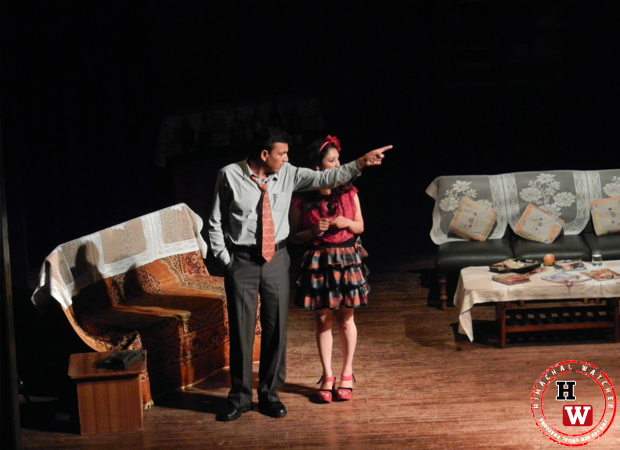
Nothing is more complex then human relations especially the one mostly celebrated and considered to be sacred of all that is arranged marriage. Often people spend their entire life with a stranger without expressing the freewill doing things either to impress the person or not to offend the society. Curfew tried to explore desires of one such couple.
Curfew – A play written by Dr. Lakshmi Narayan Lal and Directed by Devender Sharma was staged at the Historic Gaiety Theatre by the Vasudha art and culture society, Shimla.
As per Devrnder, the director of the play informed, he has tried to expose the hypocritical standards that exist in the married relations especially in arrange marriages. . Freewill is interrupted and hence leads to a curfew of self expression.The story of the play depicted one night incident in the lives of a married couple Kavita and Gautam who get exposed to new people that is Manisha and Sanjay due to curfew in the city. Manisha – a modern girl with an advanced in her thinking takes refuge in Gautam’s house due to curfew where she flirts with him a guy who has rules for everything as per acceptable by the society. As the night passes and the conversation becomes bolder, under influence of liquor he tries to molest her and she walks out in curfew only, to be gang raped by policemen. In other words we can also say that like Lord Buddha he too experiences self-realization; the futility of artificial relationship with his wife which is based on animal instincts alone.
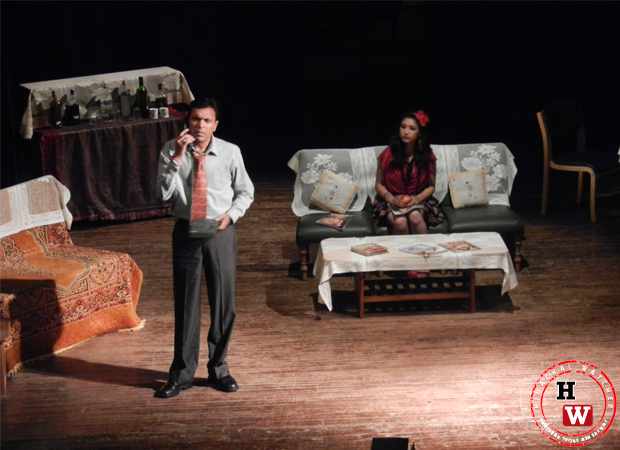
Whereas Kavita Gautam’s wife takes refuge in Sanjay a theater actor’s house who was rehearsing his upcoming play in his house. She offers to help him and eventually her dormant emotions explode finding a vent out in the form acting. She is attracted to Sanjay due to hollowness in her life but her conscious does not allow her to cross her limits.
Both husband and wife find solace in Manisha and Sanjay and the play ends on the note where Kavita learns her husband spent night with someone else and accepts the truth that they all can co –exist without any friction. Both find their true self by being exposed to the other people and the missing link in their live that made their relationship artificial.
The play had an interesting plot and had its moment. However the first half that is where story of Gautam and Manisha was staged it was bit dull and there was a problem of diction like mazboot and the song Gulabi Ankhee paying in background and even the actor singing it live was not in sync and did not sound too well to ears. Though this patch too had its moments and made audiences giggle.
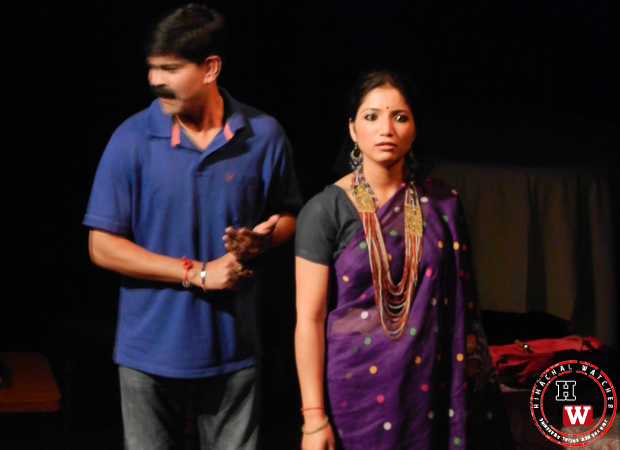
The second half was much better and Ankita showed a remarkable improvement in her performance. The intensity with which she conveyed the emotions and all of sudden change in mood is something worth an appreciation. Aspiring artists from city need to take queue from as initially she too started acting in college plays and through her hard work she has come a long way.





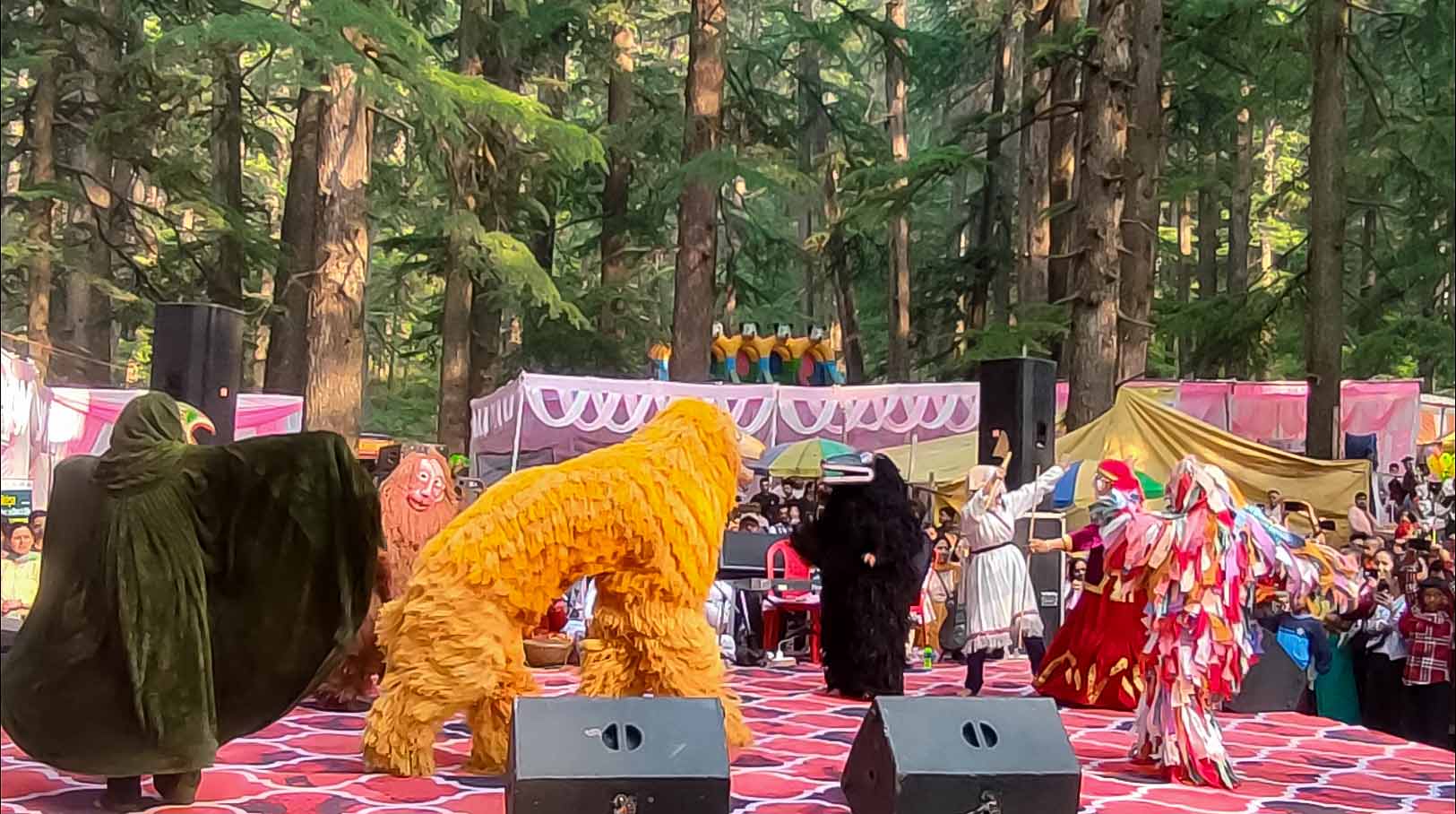
Shimla– This clip of the the Singhtu dance, a captivating and popular folk tradition from Himachal Pradesh’s Sirmaur district, was captured at the Seepur Mela held in Mashobra recently.
It is a cherished jewel in the state’s rich and diverse cultural mosaic. This mesmerizing performance, steeped in ancient traditions, enjoys immense popularity, enchanting audiences on both local and international stages. In the Sirmauri dialect, “Singhtu” refers to a lion cub, and in Hindu mythology, the lion is revered as the sacred vehicle of Goddess Durga, lending profound spiritual significance to the dance.
Performed exclusively twice a year during Diwali and Ekadashi, the Singhtu dance is a ritualistic offering at temples and sacred sites, where it has been presented since time immemorial.
Performers don intricately crafted masks depicting animals such as lions, bears, leopards, and mythical forest beings, which are brought out from temples only for these occasions.
These masks, combined with the dancers’ rhythmic movements, vividly evoke Sirmaur’s ancient culture, transporting spectators to a bygone era while celebrating the region’s deep connection to nature.
Himachal Pradesh is a vibrant tapestry of unique traditions, with each district showcasing distinct folk dances, music, and rituals that reflect the state’s multifaceted heritage.
The Singhtu dance, blending spirituality, artistry, and environmental consciousness, stands as a powerful testament to this diversity. Beyond its aesthetic allure, it conveys a timely message of wildlife conservation and environmental preservation, resonating with global concerns.
Art & Culture
Use Offerings Made at Himachal’s Hindu Religious Institutions Only For Hindus, Employ Only Hindus: HP Govt

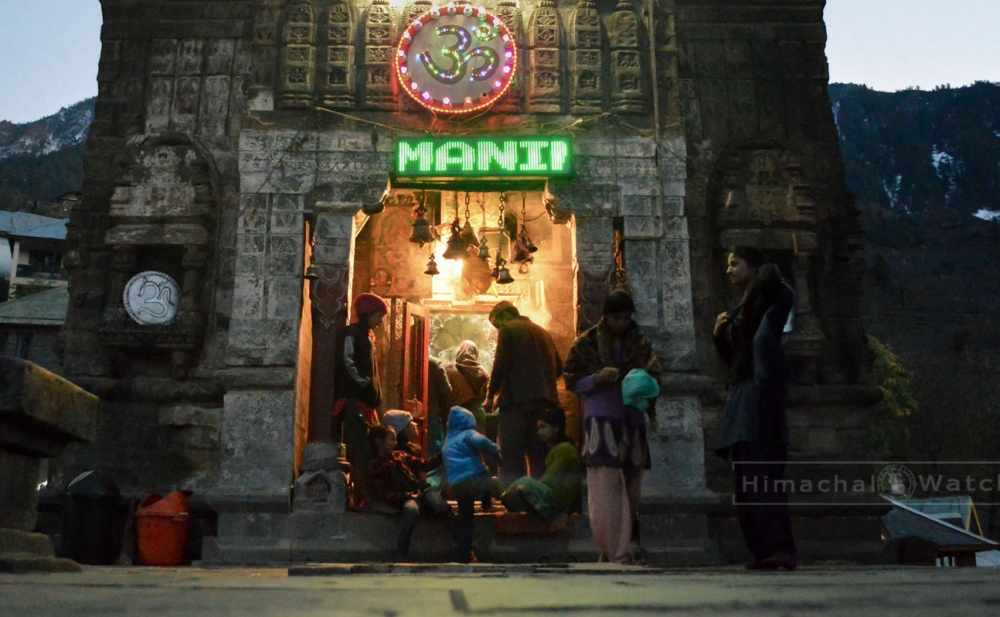
Shimla-The Additional Chief Secretary of the Himachal Pradesh Language, Art & Culture Department has issued a notification barring the use of offerings made at the Hindu religious places or institutions for non-Hindu Communities.
Directions in this regard have been issued to Commissioners (temple) under Section 27 of the Himachal Pradesh Hindu Public Religious Institutions and Charitable Endowments Act, 1984.
“All the receipts or offerings including gold and silver of the Hindu Public Religious Institutions and Charitable Endowments shall be used only for the purposes pertaining to the welfare and other activities relating to only Hindus. No receipts or offerings shall be used for the purposes associated with activities relating to Non-Hindus,” the notification said.
Further, now, no non-Hindu person would be given any sort of employment at the Hindu religious institutions/places.
“All the officers and officials including the personnel related to security etc. whether appointed or deputed or taken on outsourcing basis shall be out of the persons professing the Hindu religion only,” the notification said.
No further clarification was provided regarding the intended purpose of this move.
Art & Culture
Kullu Dussehra 2021: All Religious Ceremonies to be Allowed, But No Commercial and Cultural Events
Shimla-The International Kullu Dussehra would be organised from 15th October to 21st October, 2021, the Himachal Pradesh Government informed today after holding a meeting regarding the same.
The HP Government has decided that all deities would be invited for the Dussehra festival. Orgnaization of all religious ceremonies would be allowed traditionally, but the cultural and commercial activities would not be held.
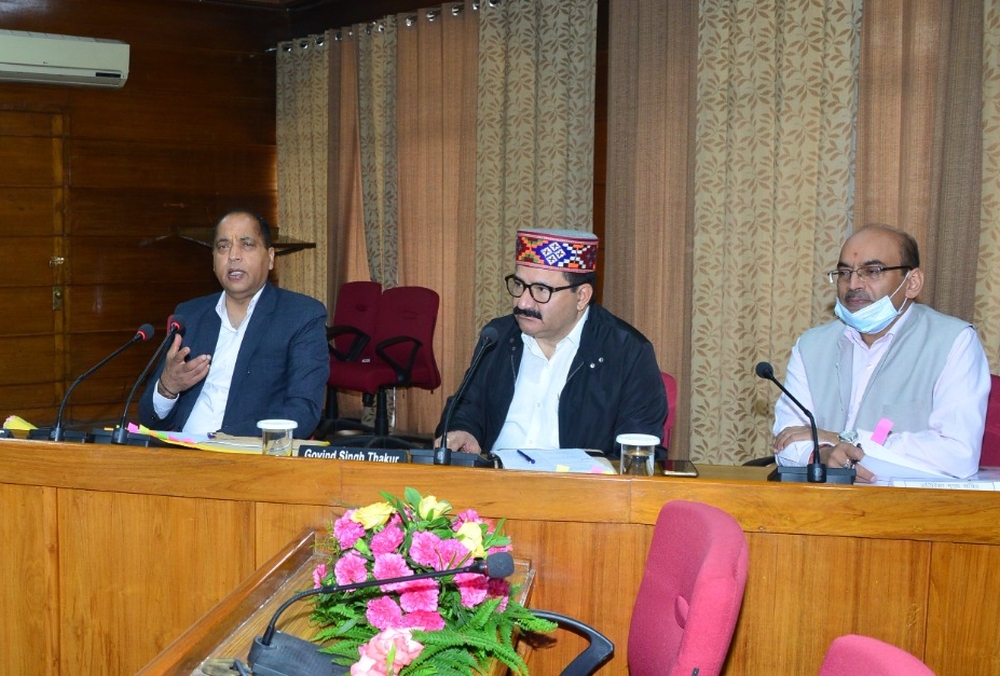
Chief Minister Jai Ram Thakur presided over meeting of State Level Kullu Dussehra Committee. Directions were given to ensure proper security system, uninterrupted electricity supply and adherence of Covid-19 guidelines.
It was also decided in the meeting that Language, Art and Culture Department would provide an additional amount of Rs. 10 lakh to district administration Kullu for organising Kullu Dussehra festival.


Himachal’s LPG Supply Hit Amid Global Tensions, Likely to Affect Hospitality Industry

Himachal Teen Survives 12-Minute Leopard Attack, Kills Predator in Self-Defense

Weather Forecast for Himachal Pradesh For the Next Two Weeks

Monsoon 2025: Himachal Pradesh Suffers 199 Casualties, Over ₹1,905.50 Cr in Damages

 Home Decor Ideas 2020