
Environment
Shocking video/photos expose Govt Officer’s lies about illegal slate mining in Dharamshala

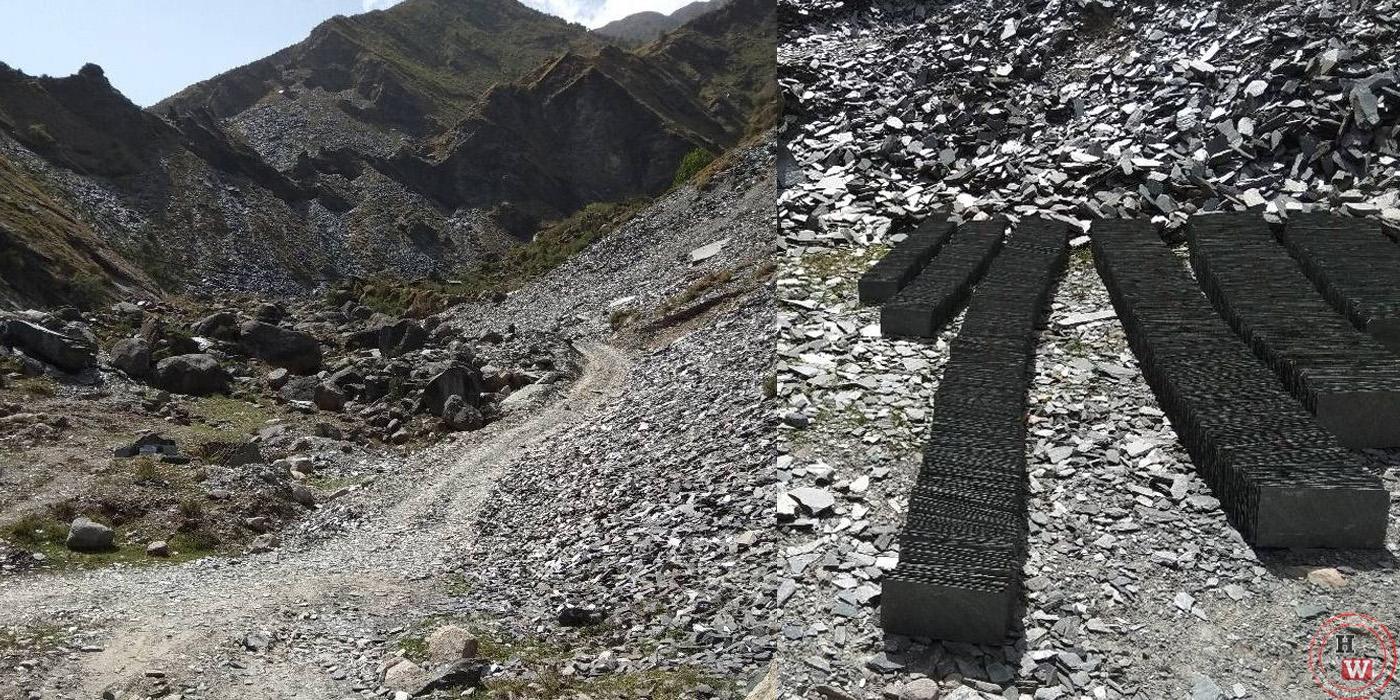
Shimla: Advocate Deven Khanna, the local commissioner appointed by the Himachal Pradesh High Court in a petition relating to violation of environmental and other construction guidelines and the illegal felling of trees within the area of Municipal Corporation, Dharamshala including Bhagsunag, Mclodgunj, and Dharmkot in Dharamshala, busted the alleged lies of the Mining Officer regarding the alleged illegal mining activity in the Khanyara region.
This illegal mining was costing the state crores of rupees per month in terms of revenue in addition to environmental damages.
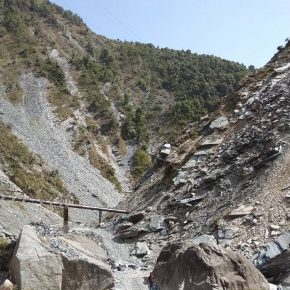
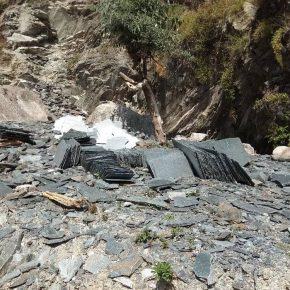
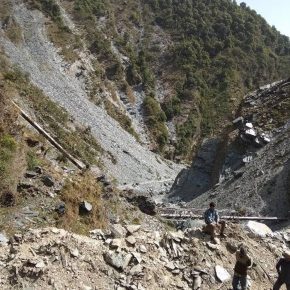
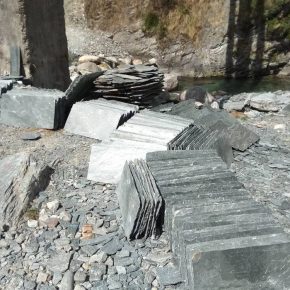
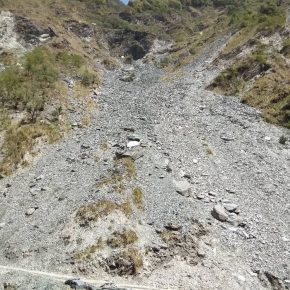
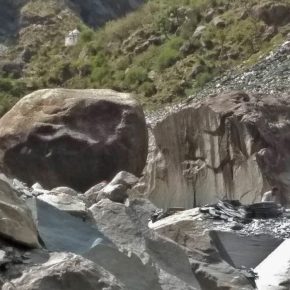
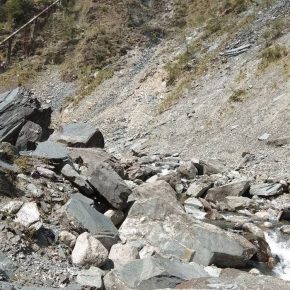
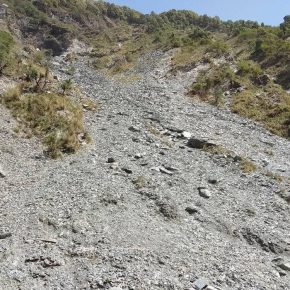
The pictures and video posted below show an area which is victim to a completely illegal mining. The visuals speak for the destruction this region has witnessed due to a nexus of the government officials and mining mafia.
Deven had visited the sites between April 14 to 22nd of April 22, 2018, and had photographed Khaniyara region and exposed the alleged white lie of the Mining Officer.
Himachal Watcher was able to obtain these photos and a video of effect region from official and non-official sources.
On the basis of this visual evidence, the bench of Acting Chief Justice Sanjay Karol and Justice Ajay Mohan Goel on April 25, 2018, had observed:
Prima facie, we are of the considered view that the explanation furnished by Harvinder Singh, Mining Officer who is present in Court with regard to the illegal mining carried out in Khanyara Panchayat is false. According to him, neither any illegal mining is being carried out at Khanyara nor has he ever received any complaint.
While the photos and video exposed the ground reality, the mining officer had filed replies in the court regarding blasting and illegal mining activities in Khanyara area claiming that no such business is going on in the said region. He further added that the mining activity was completely under control. Apparently, the officer was caught trying to allegedly protect the mafia.
For now, the said official was transferred following it. The court had asked the state government to take action against the said official, which was still pending.
As per the tradition of the governments, their employees rarely get penalized for even grieve matters like submitting a false statement to the court regarding a very crucial environmental issue.
Watch Video:
The mining officer had stated that frequent site visits were conducted in the Khaniyara area to check the Slate Mining activities. He said a Mining Inspector has been specifically deputed in this area to keep a strict vigil.
In addition to the routine visits, surprise inspections were also being conducted by the officers of the department and during the sites visits, no case of the blasting has been observed or reported or no complaint of the blasting has been received, the mining officer told the court.
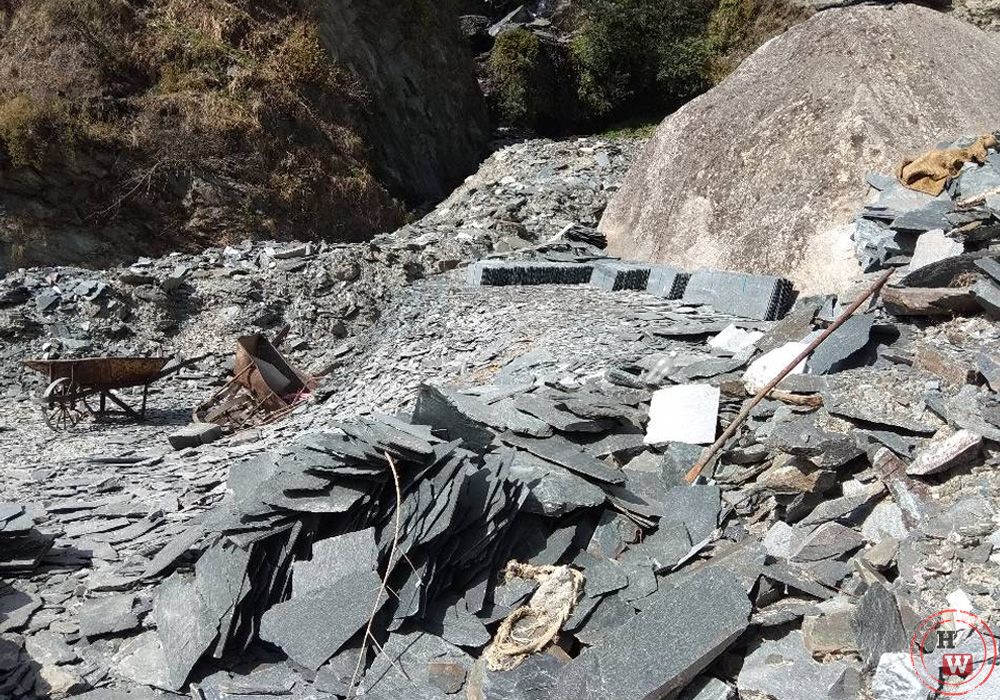
The illegal mining of slates in this area has been controlled to a larger extent and no case of the illegal extraction has been reported for the last one year,
the statement of the officer said.
Upon the visit of the said locations, it was discovered that illegal mining was still rampant at Khaniyara Road, the information was verified by officers of the MC and local people. The site was visited and it was discovered that blasting and careless dumping of the mine debris had caused irreparable damage to the downslope vegetation, choked the streams and accelerated surface erosion, said Deven’s report rubbishing all these false claims.
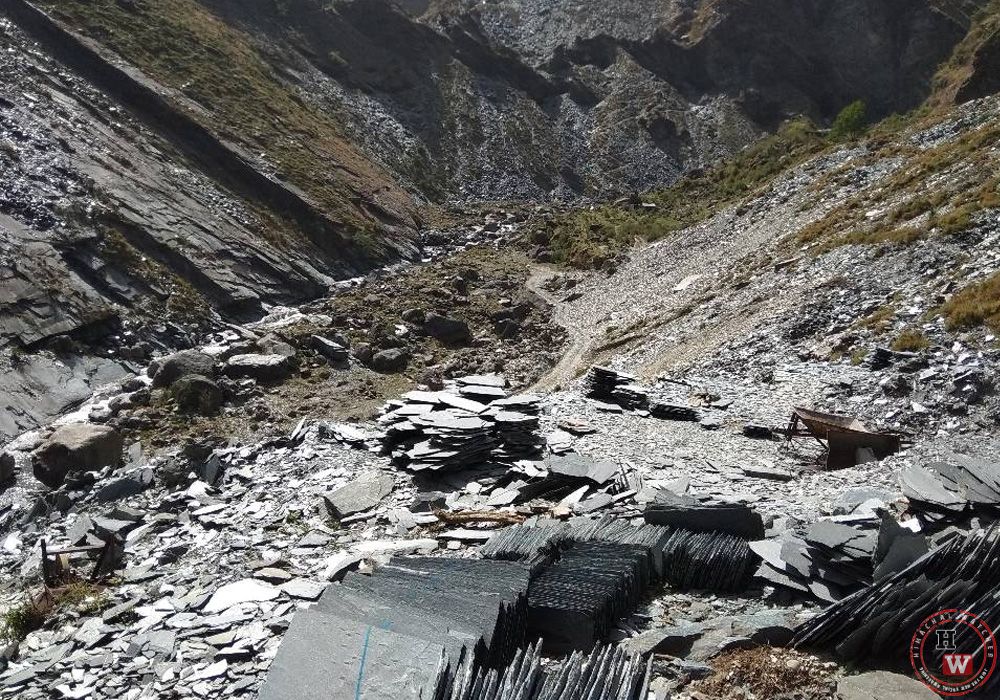
So serious was the environmental damage that a major portion of the mountain had a bombed-out desolate look. The patches were seen on the mountains due to the rampant mining for slate deposits which had spelt ecological disaster, the report said. Apart from threatening human settlements in the foothills, the activity had also eaten up large chunks of the forest, the report further said.
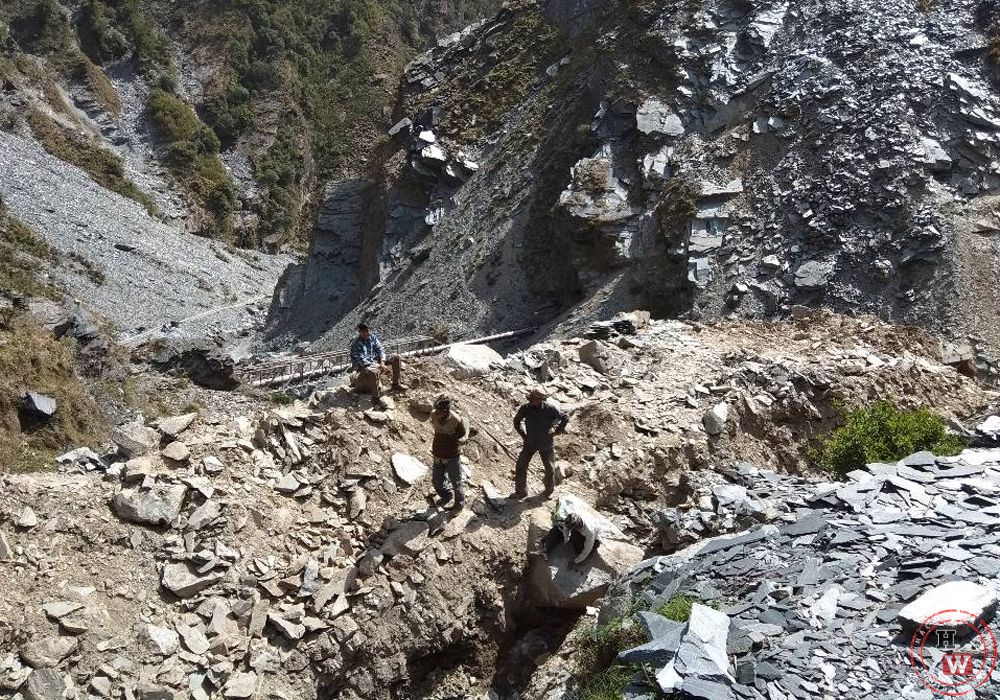
It was pointed out in the report that the mining had cut into the forest area labourers were working under hazardous conditions because of the excessive use of dynamite in total violation of the Mines Safety Act.
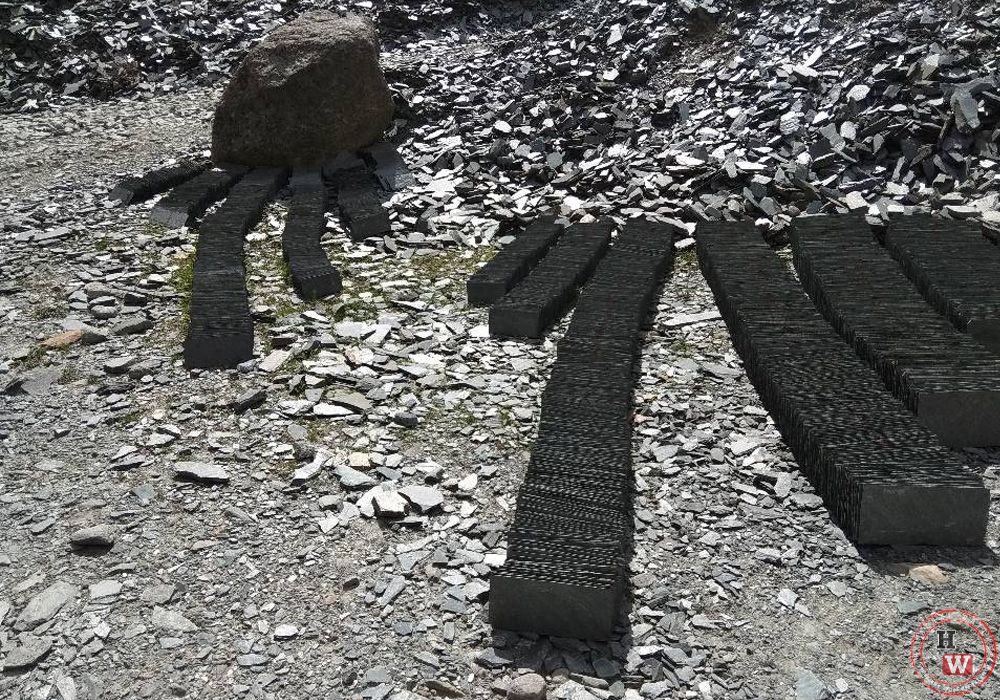
Deven’s report had further stated that mining in these areas is haphazard and the procedure adopted for mining is totally unscientific without using any standard mine plan maps or contour map or any standard method of national or international agencies.
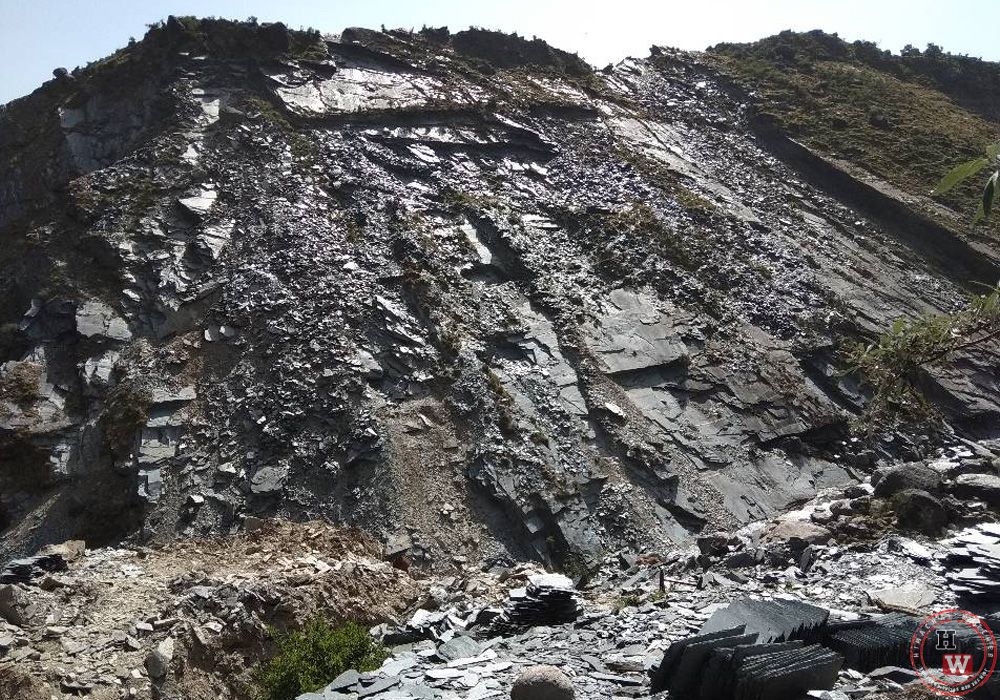
The slates are extracted either manually by using crowbars, chisels or by using local explosive for blasting. Unscientific excavation and use of high power explosives have resulted in cracking and loosening of the overlying rock formation, the report said.
The villages below the mining sites often experience flying rocks and rock fall which results in a number of causalities. Further, most of the area is under the protected forest demarcated by the Department of Forest, Himachal Pradesh and has been exploited in an unauthorized and illegal manner.
No reclamation measures such as the construction of check dams or retaining wall to check the erosional activity or other safety measures related to blasting are being adopted,
said the report.
Slate mining has blotted the serene beauty of the forests of the area. Mining activities in these areas have caused the degradation of vegetation and soil cover, destruction of agricultural land and the encroachment of forest land, further leading to the deterioration of water resources, increase in erosional activities, silting of streams (Figure XVII), and massive landslides,
the report said.
The claims of the government regarding check on illegal mining, unlawful construction, and environmental conservation appears to be false or misleading considering the above report.
While in press statements, the government never misses the opportunity to add “Govt is committed to protect and conserve the environment,” the official machinery seems to be trying to protect the violators and for that, they are not reluctant to even file false replies in the court.
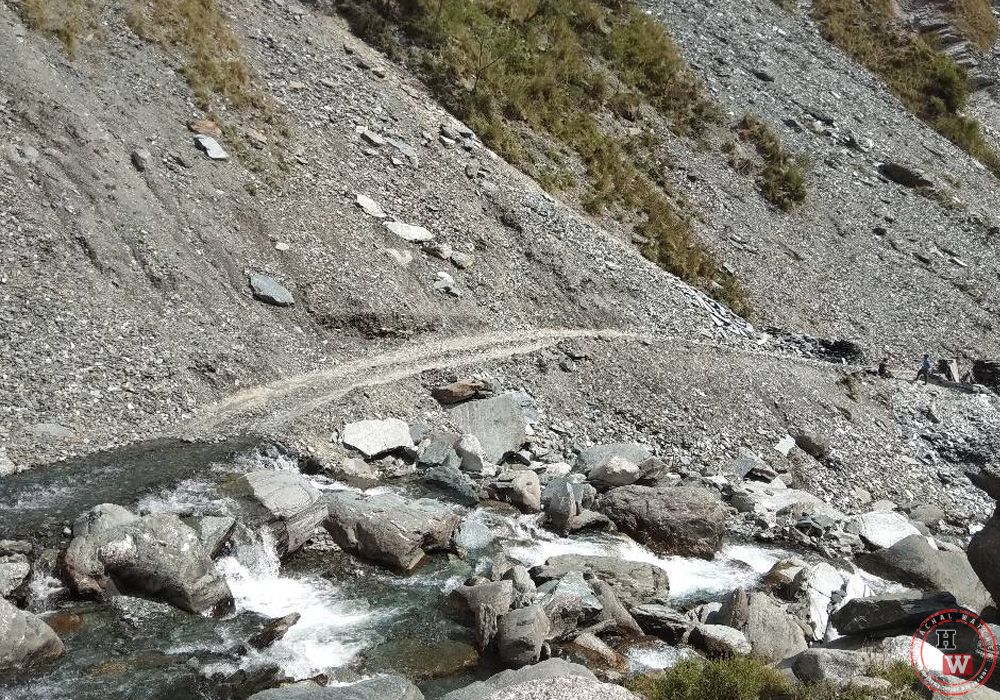
The court has expressed its disappointment with the government officials multiple times while hearing the current petition that was filed by in 2015 by a whistle-blower Ghazala Abdullah.
The original petition had requested the attention of the court towards environmental destruction for illegal construction. By 2018, the scopes of the petition were widened to accommodate more issues pertaining to similar matters.
Several crucial violations and facts appeared during the hearing of the petition, which would be covered in separate articles on Himachal Watcher. The next hearing in the petition is scheduled for July 30.
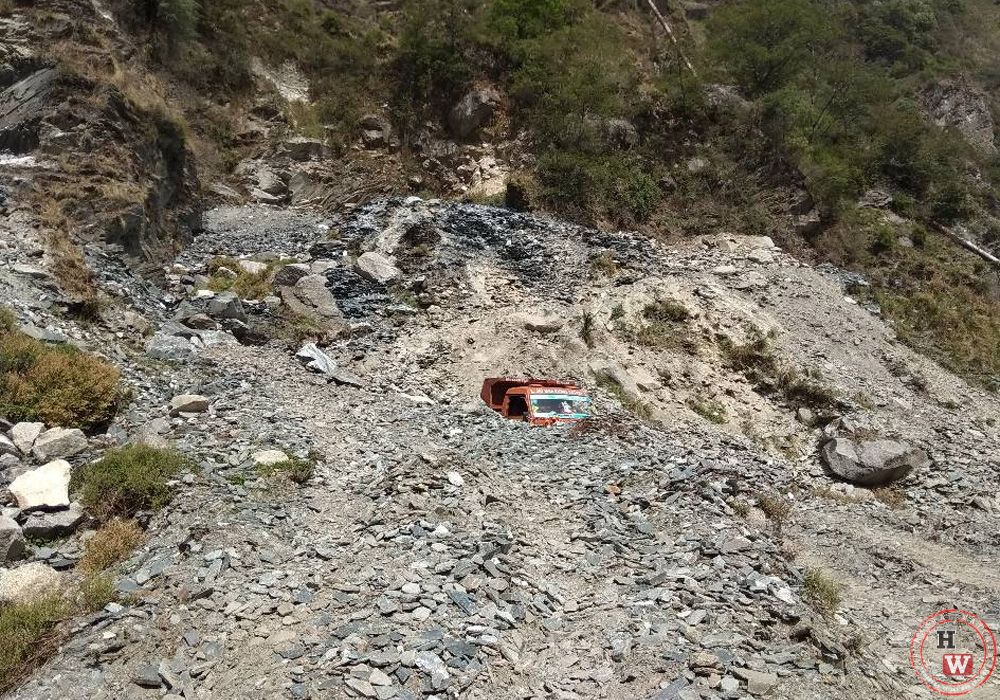
View More Pictures in Gallary
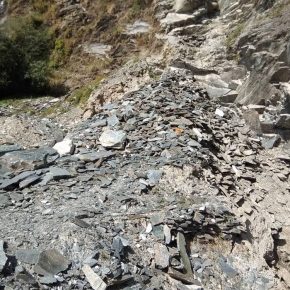
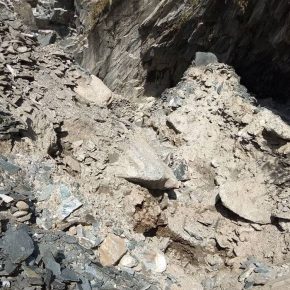
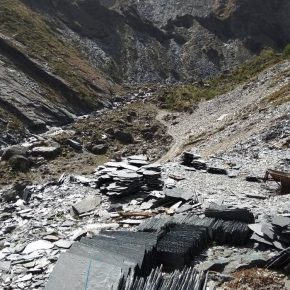
Further, Deven in his extensive report had included following crucial suggestion to fix the environmental damages caused by illegal mining:
- Mined debris or the slate waste over the slope should be removed in order to bring back the regolith cover.
- The area should be seeded with quick growing grass and preference should be given to local species and mixed culture. Although the best plant known and used worldwide to stop the erosion is Vetiver. It not only holds soil on the mountain side but it creates its own terraces by collecting leaves, debris and eroded soil from above it. In addition to vetiver, a perennial grass known as Nash (vetiveria zizanioide) can also be grown.
- The mining area can also be restored by hydroseeding. This technique involves the spraying of soils, organic matter, grass seeds, adhesives and water in a fixed proportion which is kept in a slurry tank. The application of mixture is done at a pressure on a slope. Such technique is successfully adopted in the reclamation of limestone and rock phosphate mines in Dehradun and Mussoorie region (35).
- Mining should be avoided where there is a steep slope i.e. the slope angle is more than 45°. Check dams and gabion structure should be constructed to check the flow of soil, waste and debris along the hill slope.
- The problem of mining debris can be solved by utilizing it in making concrete blocks as it is eco-friendly and economically viable too and will also serve as a source of employment for the local population.
- Another important use of slate waste lies in the manufacturing of pipe, sheets and roofing plus flooring products as substitutes for asbestos in the asbestos The advantage of slate as an alternative to asbestos is that asbestos is a fibrous material and cause cancer. Hence, the use of slate can be accepted in the asbestos industry.




Environment
Shimla: Retaining Wall Collapses During Four-Lane Construction, Residents Flee Homes to Save Lives


SHIMLA | 3 July 2025 –A major mishap occurred in the Lindi Dhar village of Shimla district during the ongoing four-lane highway construction, raising fresh concerns over safety and construction quality. A retaining wall, constructed as part of the project, collapsed once again—posing a serious threat to nearby homes and destroying hundreds of apple trees.
According to local residents, this is not the first time the wall has caved in. Despite previous incidents, authorities failed to take adequate corrective measures. The latest collapse forced several families to abandon their homes for safety, fearing further landslides and structural damage.
Villagers have accused the National Highways Authority of India (NHAI) and its contractors of negligence. They allege that no proper safety precautions were taken in the construction process, even though the area is known to be vulnerable to landslides.
“This wall had collapsed earlier too, but no permanent solution was provided. Now, we are facing the same threat again. Our lives and properties are at constant risk,” said a local resident.
The landslide also damaged a large number of apple orchards—adding to the losses of local farmers who depend on horticulture for their livelihood.
Residents have demanded immediate intervention from the administration and strict action against those responsible for the substandard construction. They have also urged NHAI to put in place robust safety measures to prevent such incidents in the future.
Local officials have visited the site, and further assessment is awaited.
Environment
Police Complaint Alleges Criminal Negligence in Four-Lane Highway Project Between Parwanoo and Solan

Solan | 30 June 2025 – A police complaint has been filed at the Parwanoo Police Station in Solan district, alleging criminal negligence and environmental damage in the construction of the four-lane highway between Parwanoo and Solan. The complaint, submitted by former Deputy Mayor of Shimla Tikender Singh Panwar, accuses the National Highways Authority of India (NHAI) and its executing contractor, G R Infraprojects Limited, of serious lapses that have endangered lives, property, and the natural ecosystem.
According to the complaint, NHAI officials based at the Chakkar office in Shimla, along with planning teams at Rishikesh Sadan, Shanti Kutia, and the executing agency G R Infra, with its corporate office in Sector 18, Gurugram, failed in their duty to ensure minimal damage to the hilly terrain. It is alleged that the project was undertaken without proper consultation with the Geological Department, resulting in a project report that is “completely erroneous.”
Panwar contends that the design and method of slope cutting are fundamentally flawed, driven by ill-conceived ideas and profit motives.
“Instead of cutting the hills at a slope, the excavation has been done vertically,” the complaint states, warning that this approach poses a permanent threat to residents living near the construction site.
The complaint further highlights that since the beginning of the construction, there have been recurring losses of life and property, which the complainant attributes directly to unsafe and irresponsible construction practices.
Significantly, the complaint raises concerns about possible collusion between NHAI and GR Infra, and urges law enforcement to determine whether the negligence was circumstantial or the result of deliberate wrongdoing.
Panwar has demanded that both NHAI and G R Infraprojects Limited be held criminally liable and subjected to legal proceedings under relevant provisions.
As of now, neither NHAI nor G R Infra has issued an official response.
Environment
Himachal Bans Small PET Bottle, Rs 5,000 Fine on Littering of Single-Use Plastics, Compostable Bags


Shimla, May 27, 2025 – Small PET bottles (up to 500 ml) are littering Himachal Pradesh’s hills, forests, and water bodies, threatening its fragile ecosystem.
Ban on Small PET Bottles
Under the HP Non-Biodegradable Garbage (Control) Act, 1995, the state has banned these bottles in all government-organized indoor meetings, conferences, and events, effective June 1, 2025.
Impact on Hotels
The ban extends to HPTDC and private hotels, which must switch to glass bottles or steel water dispensers. A grace period allows clearing existing stocks to avoid financial losses.
Fines for Littering
A Rs 5,000 fine targets littering of single-use plastics, including compostable bags, by individuals, hotels, restaurants, and other institutions.
Mandatory Car Bins
From April 29, 2025, all taxis and public transport vehicles, including HRTC buses, must install ‘car bins’ for waste collection.
Enforcement Measures
Regional Transport Officers and Motor Vehicle Inspectors will verify bins during vehicle registration. Non-compliance incurs a Rs 10,000 fine, with Rs 1,500 for littering biodegradable waste.
Awareness Campaigns
Government bodies will conduct awareness campaigns to discourage small PET bottle use and promote sustainable practices.
Challenges
Himachal’s ban on small PET bottles and vehicle littering targets plastic pollution but faces challenges. Past bans faltered due to weak enforcement, especially in rural and tourist areas.
Small businesses may struggle with costly alternatives like glass or steel containers. Tourists, a major litter source, need better awareness. The car bin mandate requires rigorous monitoring to ensure compliance. Without robust recycling systems and public cooperation, the ban risks limited impact. Subsidizing eco-friendly options and strengthening enforcement are critical to protect Himachal’s ecosystem effectively.


Himachal’s LPG Supply Hit Amid Global Tensions, Likely to Affect Hospitality Industry

Himachal Teen Survives 12-Minute Leopard Attack, Kills Predator in Self-Defense

Weather Forecast for Himachal Pradesh For the Next Two Weeks

Monsoon 2025: Himachal Pradesh Suffers 199 Casualties, Over ₹1,905.50 Cr in Damages

 Home Decor Ideas 2020