
Environment
Response to Shimla STPI cleanliness drive depicts poor psycho-social conditioning

The civic body is required to conduct extensive surveys to assess the causes of littering behaviour, study the psycho-social aspects associated with lack of awareness that encourages littering.
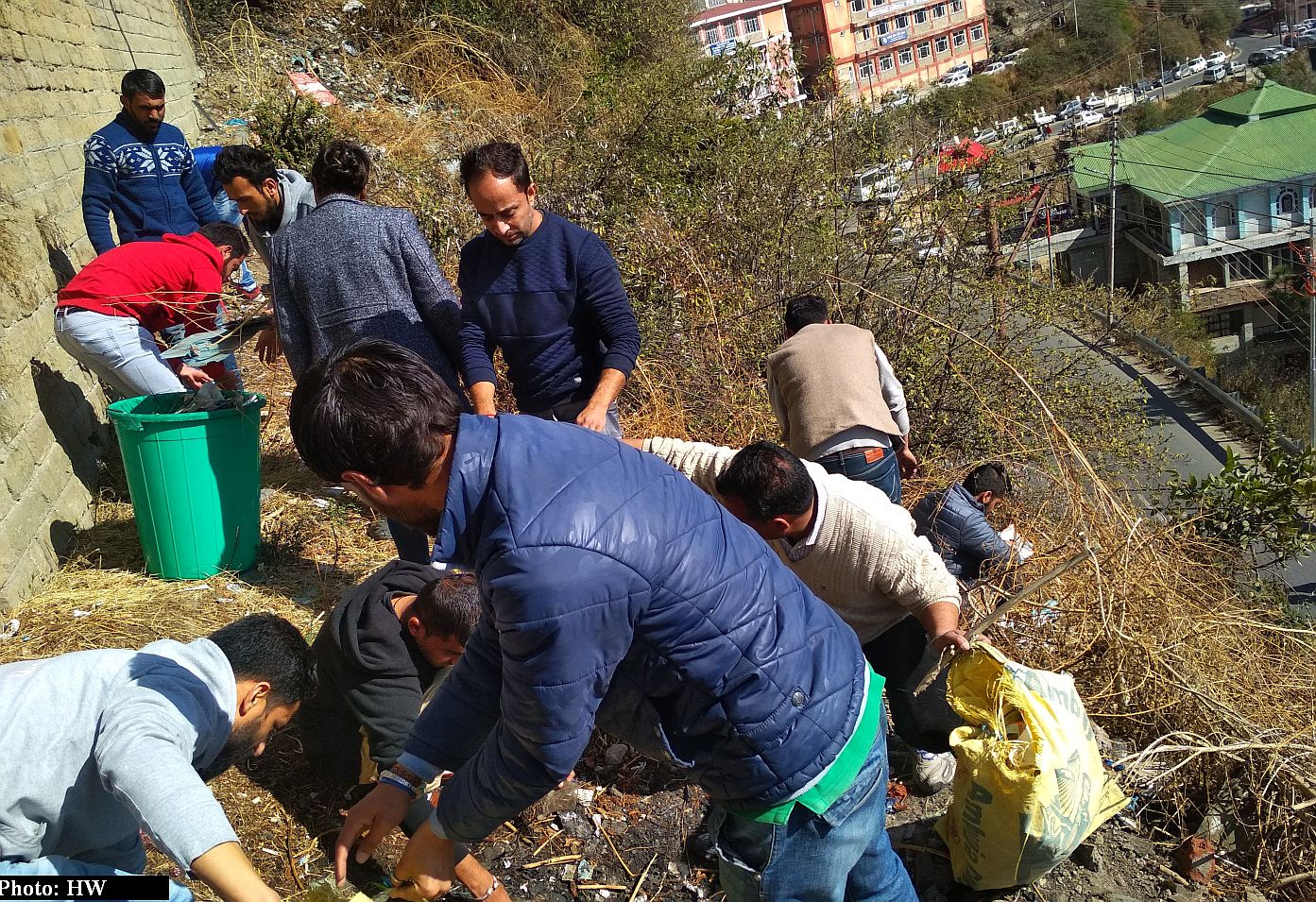
Shimla: On last Saturday, the Software Technology Park of India, located at the SDA Complex in Kasumpti, Shimla, made a call for the cleaning of the building premises, which houses 12 information technology and software companies. It was part of the Swacchta Pakhwada organized by the government from time to time.
Some of the employees of Flexinet Technologies Pvt. Ltd, who are also the Community Members of Himachal Watcher, were also present. So, it was an excellent moment to observe the nature and effect of psycho-social conditioning of all persons employed with various offices and their respective bosses/company owners.
The total number of employees in all offices including the STPI staff exceeds 250. Majority of the employees are educated including males and females aged between 20 -40 years. These employees included natives from almost all districts of Himachal.
The available data and conditions make it a perfect sample for a sort of survey that could be conducted with a qualitative method. In fact, let us consider that the number of participants was (n = 250). It was a random sample.
Location
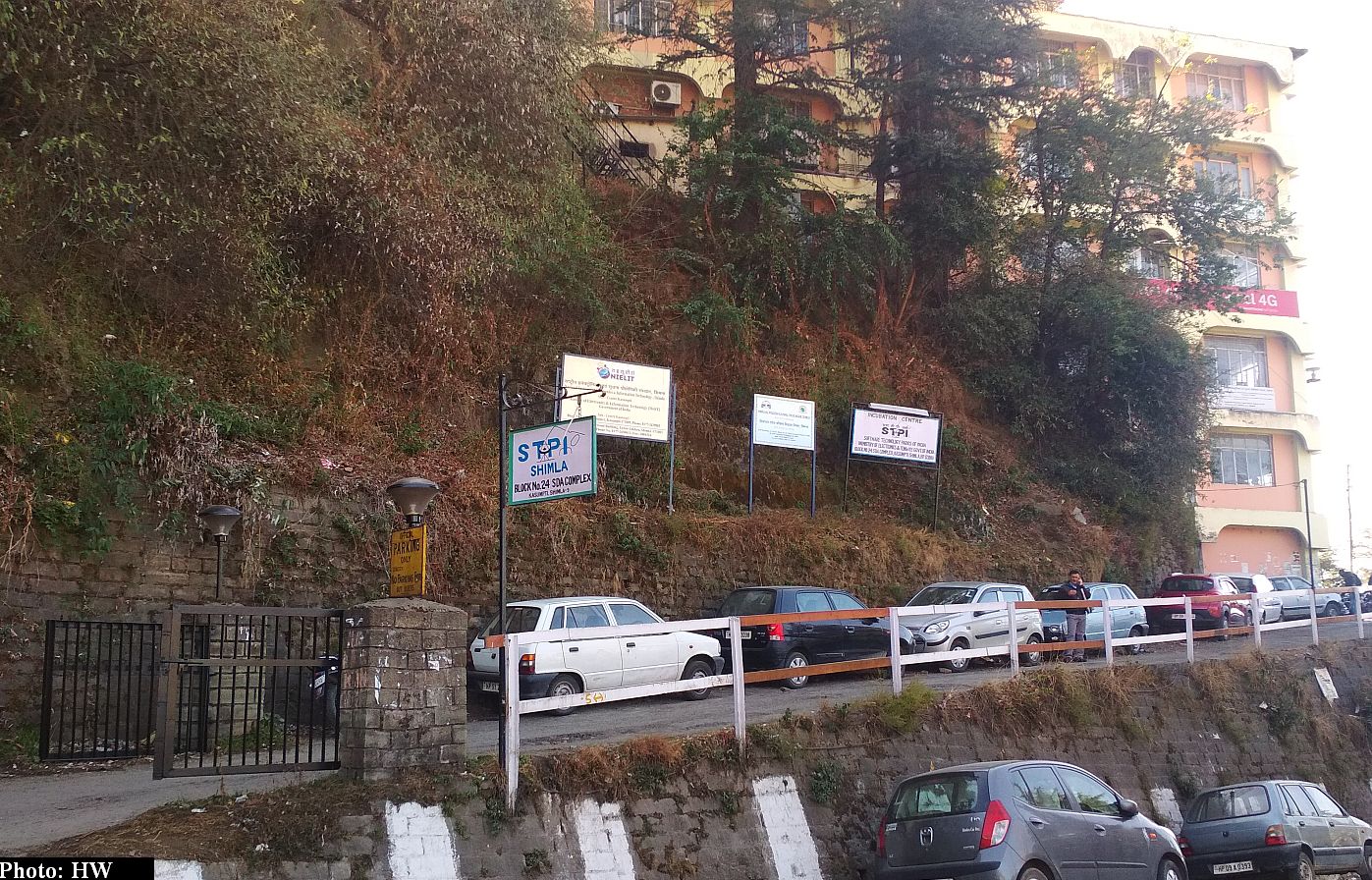
The location chosen was the STPI block (24). There are total 12 companies/offices in the block, namely 31 Parallel, Covenant Info Solution, NIELIT, Kaith Group of Technologies, Himachal Pradesh Kaushal Vikas Nigam, Saraswati Dot Com, Himachal Media Pvt, Flexinet Technologies Solutions, Netgen IT Solution, Zasaya, and Snowmicro.
Conditions
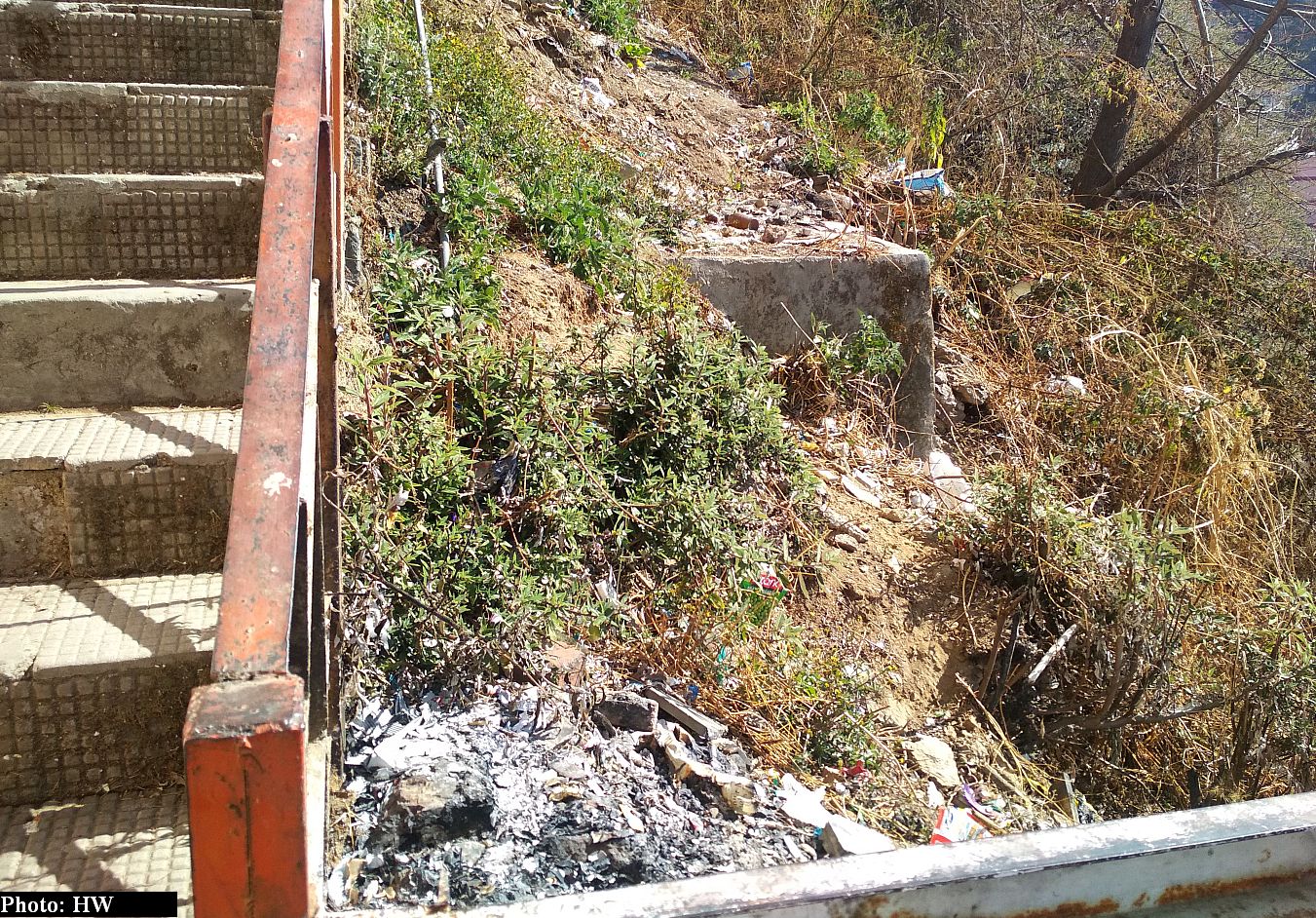
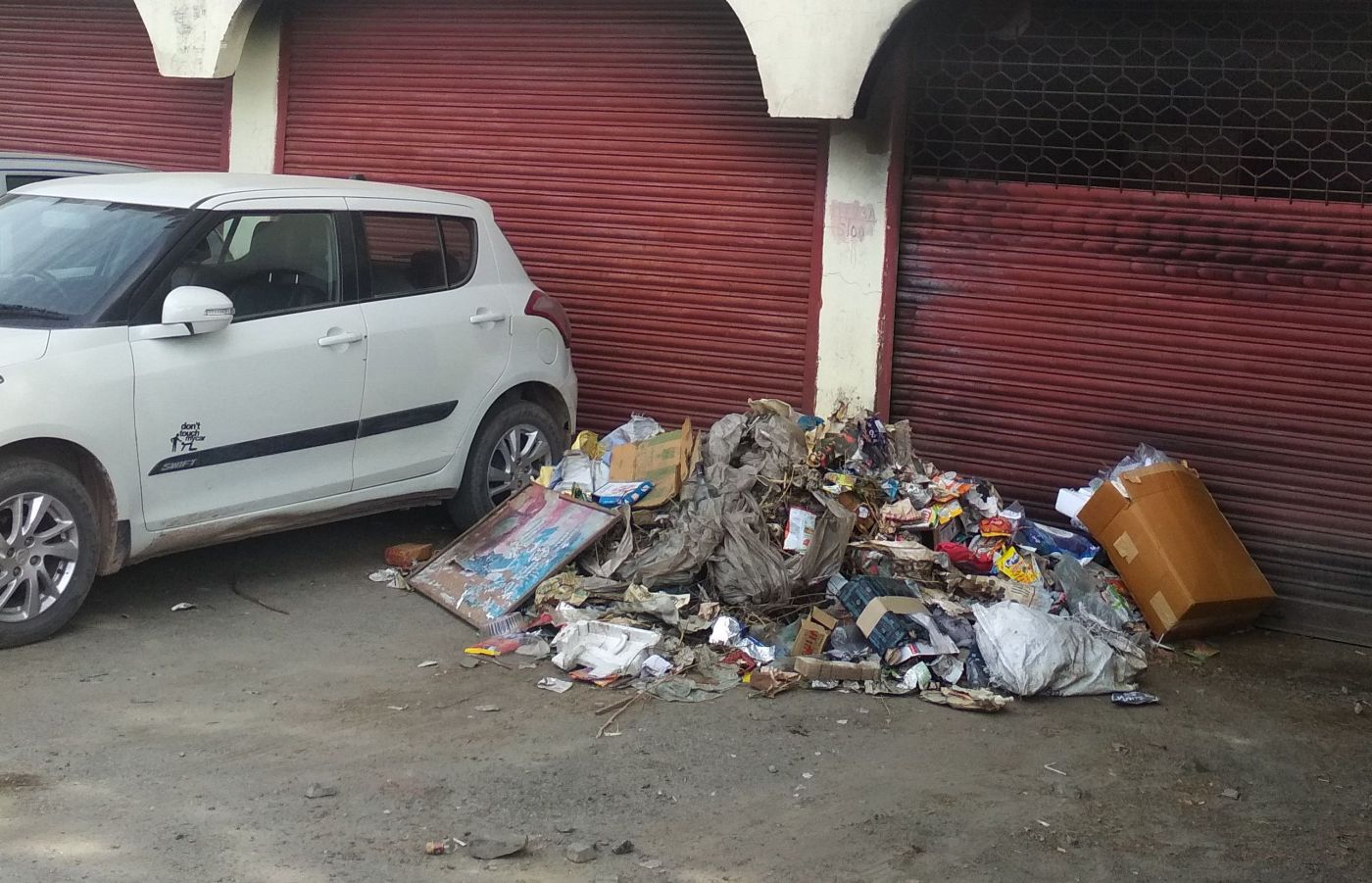
The area around the premises was badly littered around by the same employees. The bottles of whisky and beer, plastic packaging of online stores and snacks, packets of cigarette etc., were littered all over the place. If that was not enough, some offices had disposed of window glasses, marble tiles, and debris of concrete generated after renovations.
The most recent renovation was conducted by the office of Kaushal Vikas Nigam, housed at the second floor of the block. Prior to that, 31 Parallel, a BPO, had undertaken some renovation work.
To the demise of nature-lovers, all this construction waste including broken glasses was disposed of near the building instead of proper disposal.
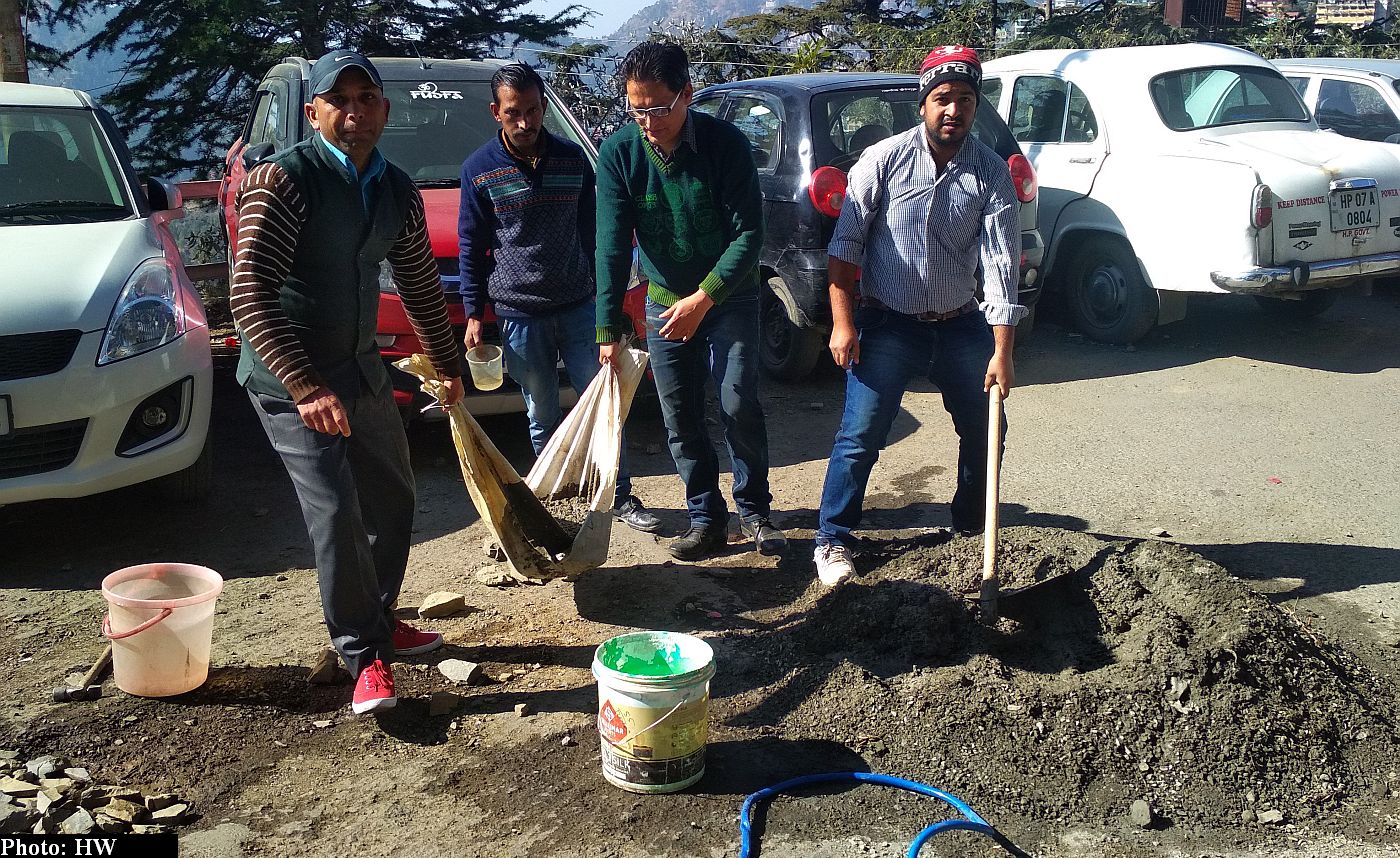
The parking lot was full of potholes.
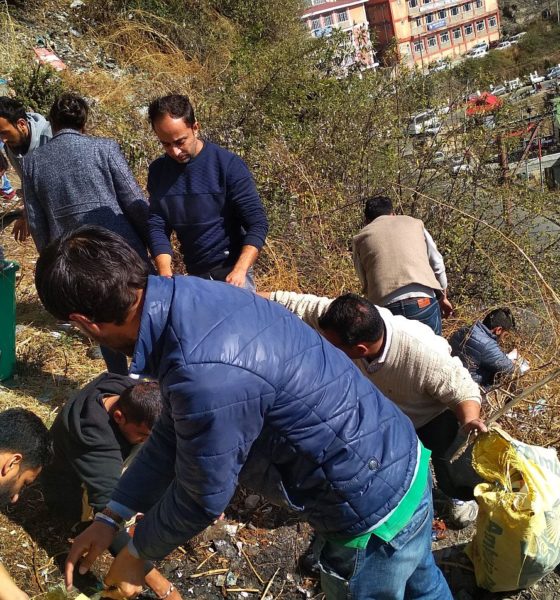
The cleaning was an arduous and risky affair due to the glass pieces disposed of with waste, broken bottles, and a steep slope.
Literature Review
Shimla city is the capital of Himachal Pradesh and was known for its greenery, pure breathable air, and a serenity that its hills used to offer. Currently, Shimla city is heading towards an ugly future as the district administration and Municipal Corporation are in deep slumber. The Shimla’s civic body is the first one in India to implement the door-to-door garbage collection facility. A special body ‘Shimla Heritage, Environment and Beautification (SHEB) Society exists for the purpose of sanitation and solid waste management. Unfortunately, the civic body and SHEB Society are busy in a tug of war over the long-pending demands of the SHEB workers for regularisation. The sanitation work is mismanaged to such an extent that the SMC has allowed its workers to burn daily garbage all over Shimla – a grieve and deliberate violation of the Air (Prevention and Control) Act, 1981.
Sub-section (5) of Section 19 of the Air Pollution Act empowers the State Government after consultation with the state Board to prohibit the burning of any material (not being fuel) in any air pollution control area or part thereof, which may cause or likely to cause air pollution.
In April 2015, a bench headed by NGT Chairperson Justice Swatanter Kumar, in a judgment, had clearly stated:
It is on the record before us that burning of garbage and other materials is not only source of air pollution but forms 29.4 per cent of air pollution with reference to PM10. The burning of material also causes serious respiratory problems and are even carcinogenic….There shall be complete prohibition on burning of any kind of garbage, leaves, waste, plastic, rubber or any such other materials in open areas.
The bench had further directed,
We direct that for every incident of burning of such material, the person who is actually found burning or responsible for burning would be liable to pay compensation in terms of Section 15 of the National Green Tribunal Act, 2010 under the principle of polluter pays.
The SMC is supposed to ensure proper disposal of garbage but, here in Shimla, the body is itself burning garbage daily. Except for the core or VIP areas, sanitation in the urban Shimla is only worsening with the passage of time.
The jungles and slopes of Shimla are being buried beneath garbage and illegally dumped muck. As far as the matter of over-construction is concerned, most of us, we are sure, would be aware of the situation.
The people, even the highly educated, don’t mind littering. It implies that our education system is not focusing on moral education and environmental awareness and its protection.
Moreover, the words such as a ‘vision’ or ‘planning’ are alien to our bureaucrats.
Methodology
Without any safety guidelines or accessories like gloves and masks, these participants were given a common verbal stimulus in the form of a call for the drive to clean their own work environment where they spend most of the time daily.
Results
At about 1:30 PM out of those hundreds of employees, not more than 30 were present on the spot. It implies, only 30 subjects responded to the stimulus including only two girls. Almost 50 percent of these 30 came ahead only after seeing the remaining 15 already engaged in cleaning.
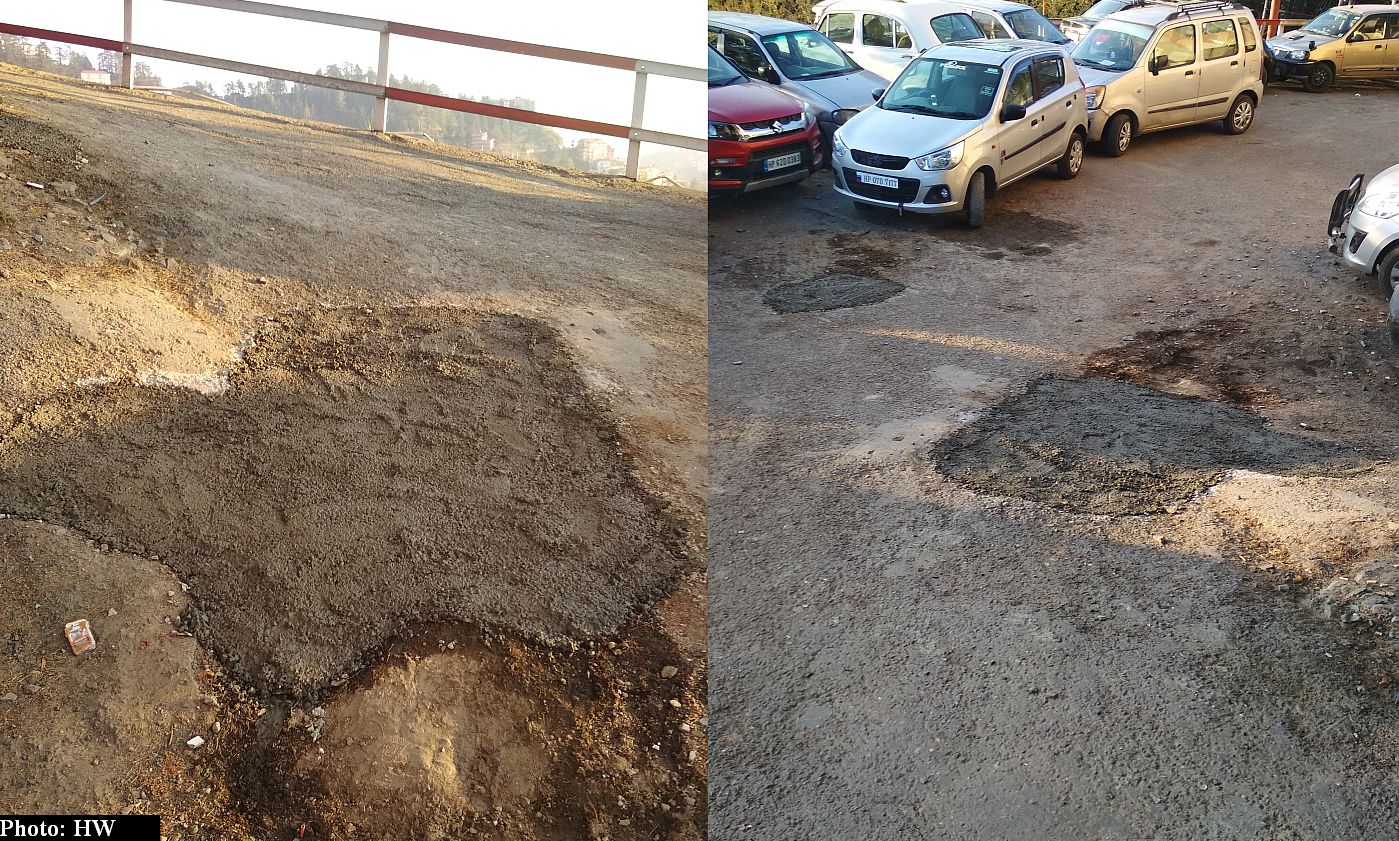
The STPI staff filled some of the potholes while some others were only partly covered.
It is no co-incident that the boss/employer of these girls was also present with them, which motivated them.
Most respondents belonged to the 31 Parallel followed by Flexinet. Only two offices did not take part in the drive.
Observations
This group did a fantastic job. Watching each other working diligently kept them motivated.
Out of approximately 100 females, only two girls were visible taking part in this small cleaning drive. Both of the girls are employed with the Flexinet. Interestingly, one of the girls, who had resigned a few days ago to pursue her studies, came back especially to join her ex-colleagues in the drive.
While the bunch of concerned people cleaned the premise, all girls chose to be onlookers, gossiping with sarcastic giggles. One of the girls was even seen taking a selfie.
It is a matter of contemplation as to why 98 percent of girls felt reluctant to join the doers’ camp.
As expected, only the owner and bosses of the Flexinet and Zasaya got their hands dirty to collect the kaleidoscopic garbage without any protective measures.
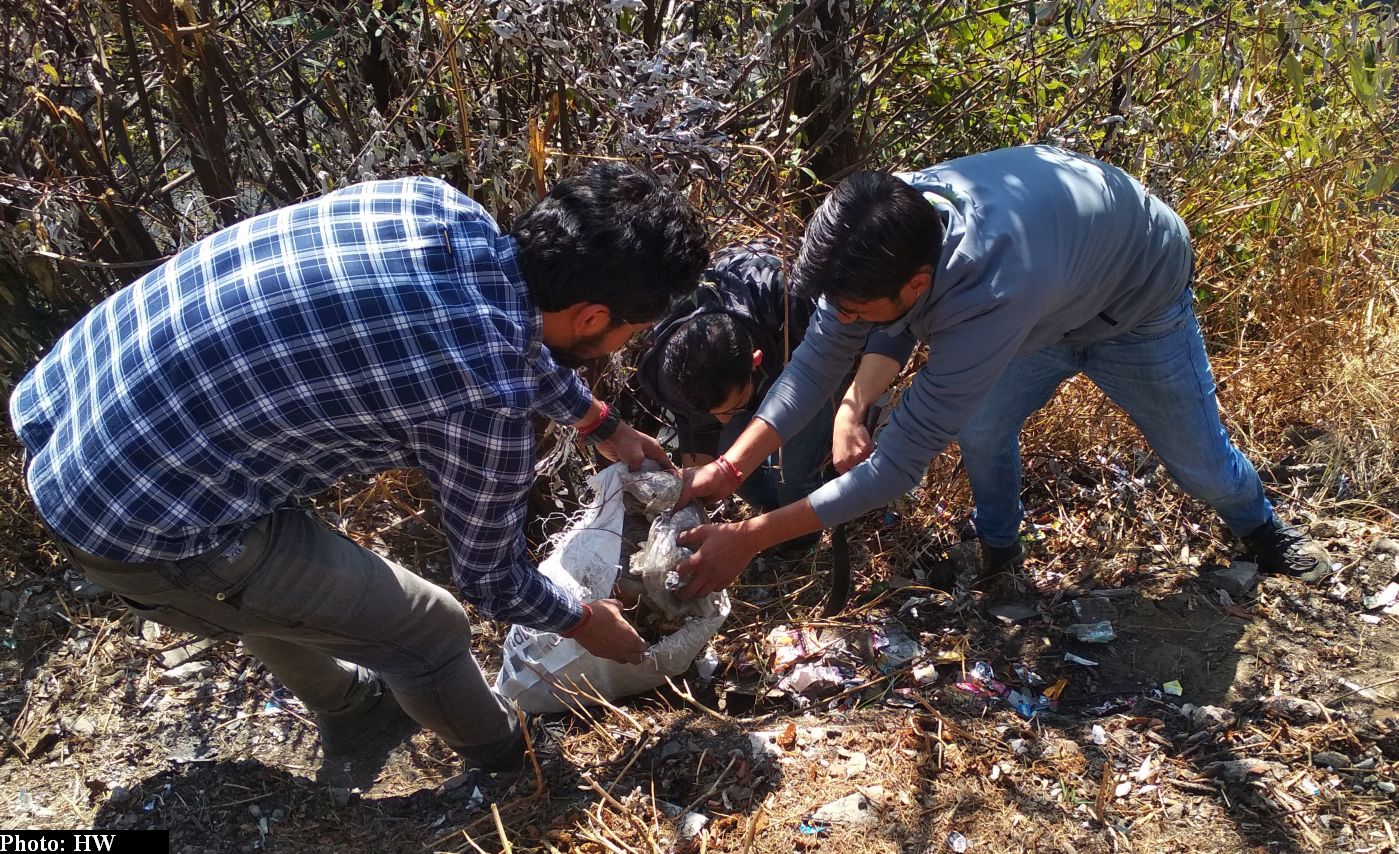
However, the best part of this activity was that those who had chosen to be one of the doers did it with commitment.
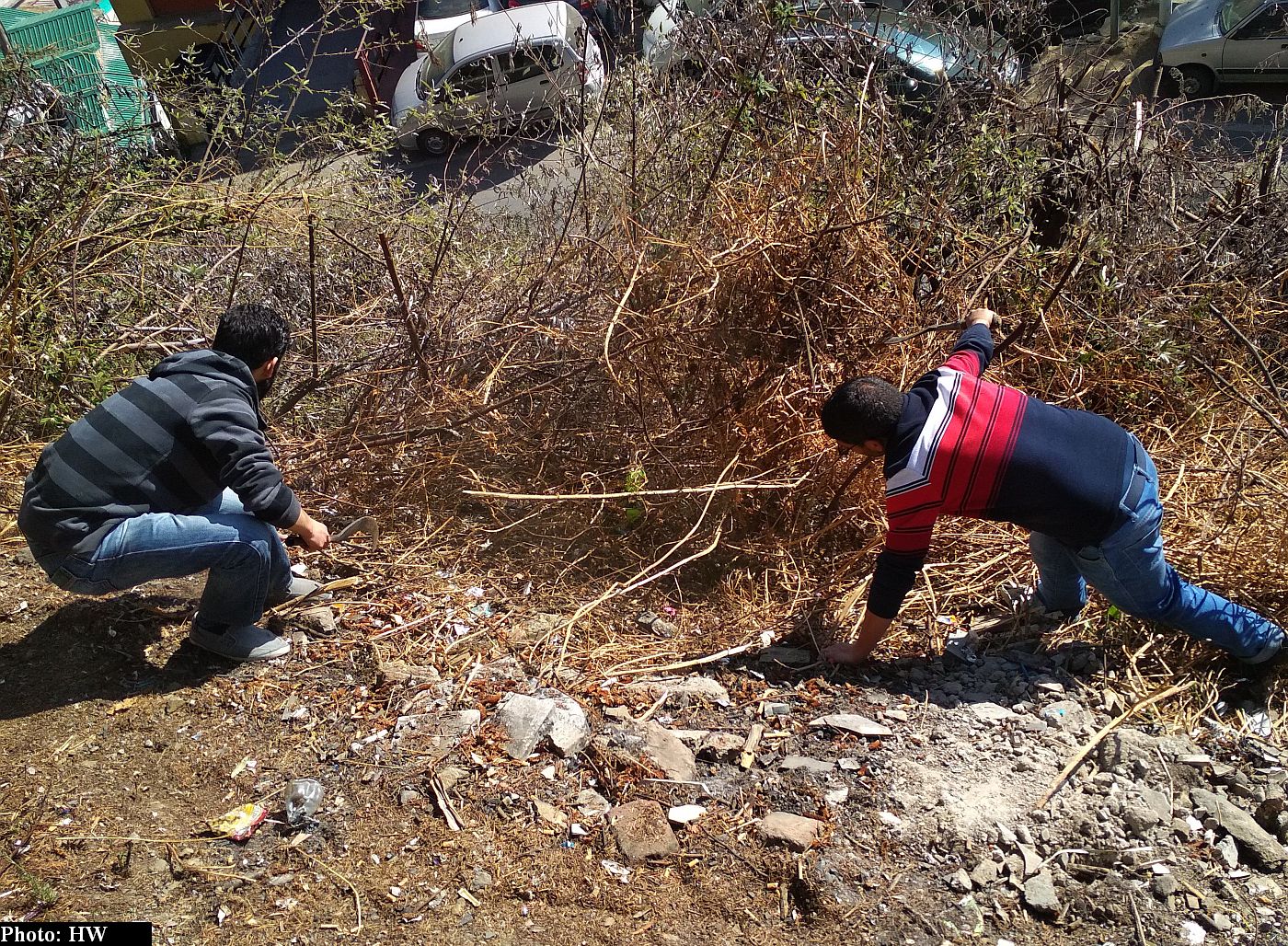
The most poignant fact that requires attention is the poor psychological and social conditioning of this small sample, which is the main reason why even educated citizens ignore all messages or rules regarding littering. They don’t find it embarrassing to litter but show reluctance when it comes to cleaning.
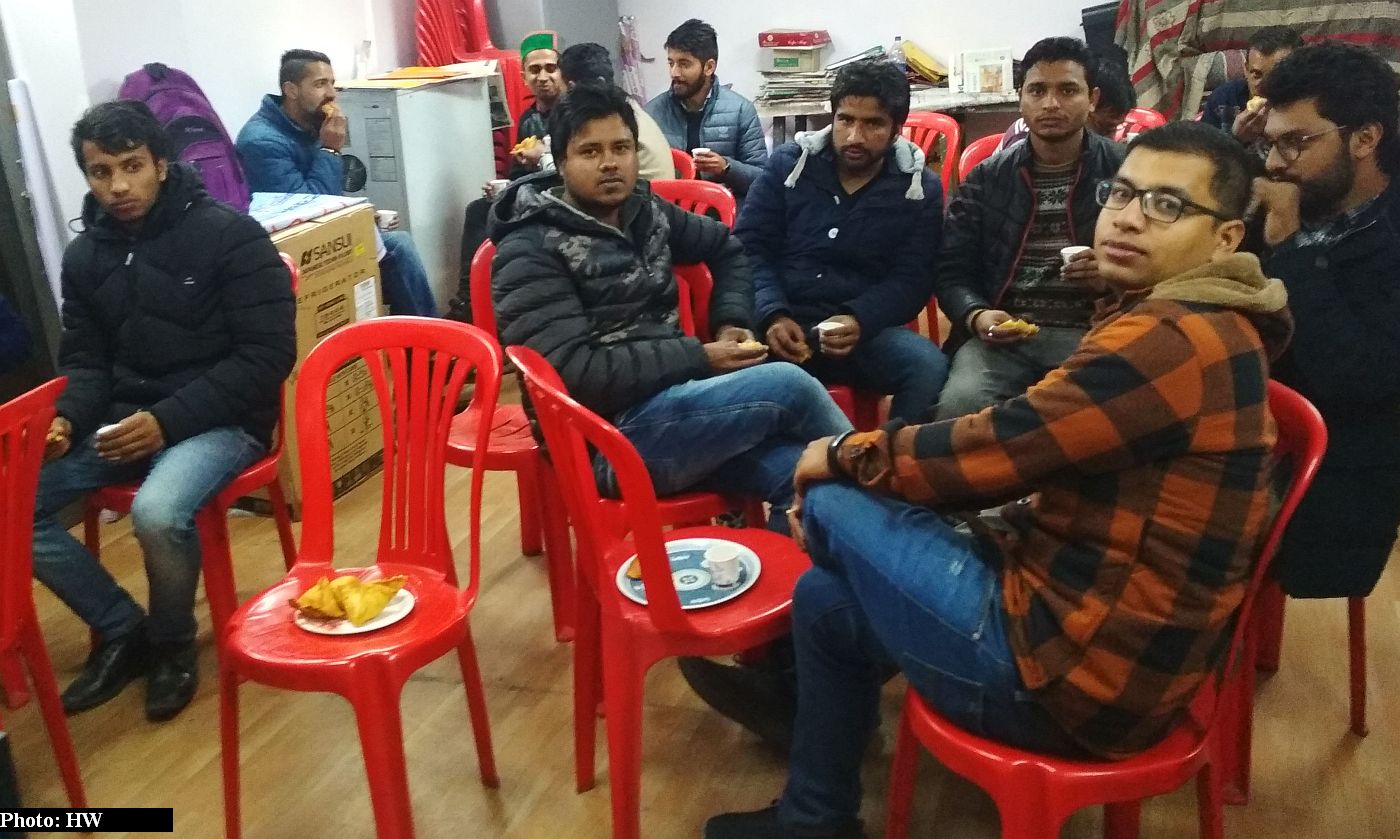
Most common aspect observed during the activity was yet again the reluctance of majority to come ahead or to join people in causes like cleanliness drives. We wonder how any logical person can ignore the satisfaction, which the group of doers found at the end of the day over a cup of tea with samosa’s (refreshment).
In a couple of hours, the doers wrapped up the task, segregated the glass waste from other solid waste, and collected it at a single spot.
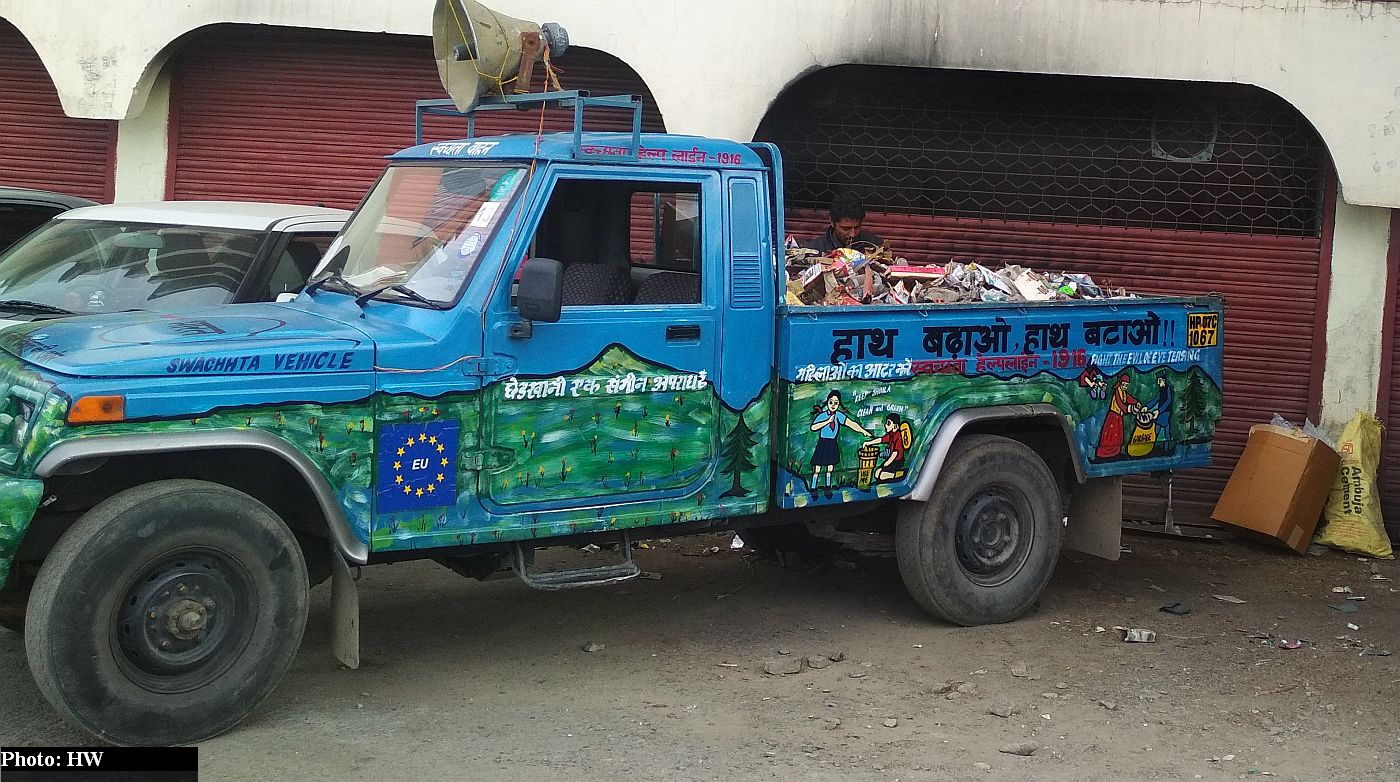
The Municipal Corporation of Shimla later collected the garbage for proper disposal (if any). SMC sanitation workers can be seen burning garbage in open daily. So, there is still no guarantee about the proper disposal of this solid waste collected during the cleaning.
Conclusion
Even though the majority did not participate, the group of doers was hoping to leave a message to them.
It is for sure that those who did participate in the cleaning would think before abandoning a disposable cup or cigarette packets in open.
Though we are skeptic of it, the STPI staff has assured that at least two dustbins would be placed inside the premise soon.
As a vitriolic reality, however, litterbugs again set to work and a fresh lot of garbage begins to appear from the very next day. No message was taken from the cleaning drive. The onlookers failed the doers yet again.
We hope that group of doers won’t let these litterbugs spoil the place again. On being caught red-handed, these bugs will be given appropriate demonstration through sensible arguments, by debating the logic and reason.
Further, the civic body is required to conduct extensive surveys to assess the causes of littering behaviour and study the psycho-social aspects associated with lack of awareness that encourages littering.
Due to poor social conditioning related to disposal of garbage in open, most of us do not develop aesthetic sense. Because no one objected to littering, an individual doesn’t consider it a malpractice. We can say that they don’t feel guilty for littering and do not develop a sense to correct things as we grew up regularly witnessing this malpractice by people of all ages despite being educated.
The State government need to encourage researchers including students in the local institutes to take up the task of conducting studies to find out causes for littering behaviour and other aspects related to the environmental protection.






Environment
Shimla: Retaining Wall Collapses During Four-Lane Construction, Residents Flee Homes to Save Lives


SHIMLA | 3 July 2025 –A major mishap occurred in the Lindi Dhar village of Shimla district during the ongoing four-lane highway construction, raising fresh concerns over safety and construction quality. A retaining wall, constructed as part of the project, collapsed once again—posing a serious threat to nearby homes and destroying hundreds of apple trees.
According to local residents, this is not the first time the wall has caved in. Despite previous incidents, authorities failed to take adequate corrective measures. The latest collapse forced several families to abandon their homes for safety, fearing further landslides and structural damage.
Villagers have accused the National Highways Authority of India (NHAI) and its contractors of negligence. They allege that no proper safety precautions were taken in the construction process, even though the area is known to be vulnerable to landslides.
“This wall had collapsed earlier too, but no permanent solution was provided. Now, we are facing the same threat again. Our lives and properties are at constant risk,” said a local resident.
The landslide also damaged a large number of apple orchards—adding to the losses of local farmers who depend on horticulture for their livelihood.
Residents have demanded immediate intervention from the administration and strict action against those responsible for the substandard construction. They have also urged NHAI to put in place robust safety measures to prevent such incidents in the future.
Local officials have visited the site, and further assessment is awaited.
Environment
Police Complaint Alleges Criminal Negligence in Four-Lane Highway Project Between Parwanoo and Solan

Solan | 30 June 2025 – A police complaint has been filed at the Parwanoo Police Station in Solan district, alleging criminal negligence and environmental damage in the construction of the four-lane highway between Parwanoo and Solan. The complaint, submitted by former Deputy Mayor of Shimla Tikender Singh Panwar, accuses the National Highways Authority of India (NHAI) and its executing contractor, G R Infraprojects Limited, of serious lapses that have endangered lives, property, and the natural ecosystem.
According to the complaint, NHAI officials based at the Chakkar office in Shimla, along with planning teams at Rishikesh Sadan, Shanti Kutia, and the executing agency G R Infra, with its corporate office in Sector 18, Gurugram, failed in their duty to ensure minimal damage to the hilly terrain. It is alleged that the project was undertaken without proper consultation with the Geological Department, resulting in a project report that is “completely erroneous.”
Panwar contends that the design and method of slope cutting are fundamentally flawed, driven by ill-conceived ideas and profit motives.
“Instead of cutting the hills at a slope, the excavation has been done vertically,” the complaint states, warning that this approach poses a permanent threat to residents living near the construction site.
The complaint further highlights that since the beginning of the construction, there have been recurring losses of life and property, which the complainant attributes directly to unsafe and irresponsible construction practices.
Significantly, the complaint raises concerns about possible collusion between NHAI and GR Infra, and urges law enforcement to determine whether the negligence was circumstantial or the result of deliberate wrongdoing.
Panwar has demanded that both NHAI and G R Infraprojects Limited be held criminally liable and subjected to legal proceedings under relevant provisions.
As of now, neither NHAI nor G R Infra has issued an official response.
Environment
Himachal Bans Small PET Bottle, Rs 5,000 Fine on Littering of Single-Use Plastics, Compostable Bags


Shimla, May 27, 2025 – Small PET bottles (up to 500 ml) are littering Himachal Pradesh’s hills, forests, and water bodies, threatening its fragile ecosystem.
Ban on Small PET Bottles
Under the HP Non-Biodegradable Garbage (Control) Act, 1995, the state has banned these bottles in all government-organized indoor meetings, conferences, and events, effective June 1, 2025.
Impact on Hotels
The ban extends to HPTDC and private hotels, which must switch to glass bottles or steel water dispensers. A grace period allows clearing existing stocks to avoid financial losses.
Fines for Littering
A Rs 5,000 fine targets littering of single-use plastics, including compostable bags, by individuals, hotels, restaurants, and other institutions.
Mandatory Car Bins
From April 29, 2025, all taxis and public transport vehicles, including HRTC buses, must install ‘car bins’ for waste collection.
Enforcement Measures
Regional Transport Officers and Motor Vehicle Inspectors will verify bins during vehicle registration. Non-compliance incurs a Rs 10,000 fine, with Rs 1,500 for littering biodegradable waste.
Awareness Campaigns
Government bodies will conduct awareness campaigns to discourage small PET bottle use and promote sustainable practices.
Challenges
Himachal’s ban on small PET bottles and vehicle littering targets plastic pollution but faces challenges. Past bans faltered due to weak enforcement, especially in rural and tourist areas.
Small businesses may struggle with costly alternatives like glass or steel containers. Tourists, a major litter source, need better awareness. The car bin mandate requires rigorous monitoring to ensure compliance. Without robust recycling systems and public cooperation, the ban risks limited impact. Subsidizing eco-friendly options and strengthening enforcement are critical to protect Himachal’s ecosystem effectively.